
Atlanta Yard Drainage Questions Answered: French Drains, Costs, And What To Expect
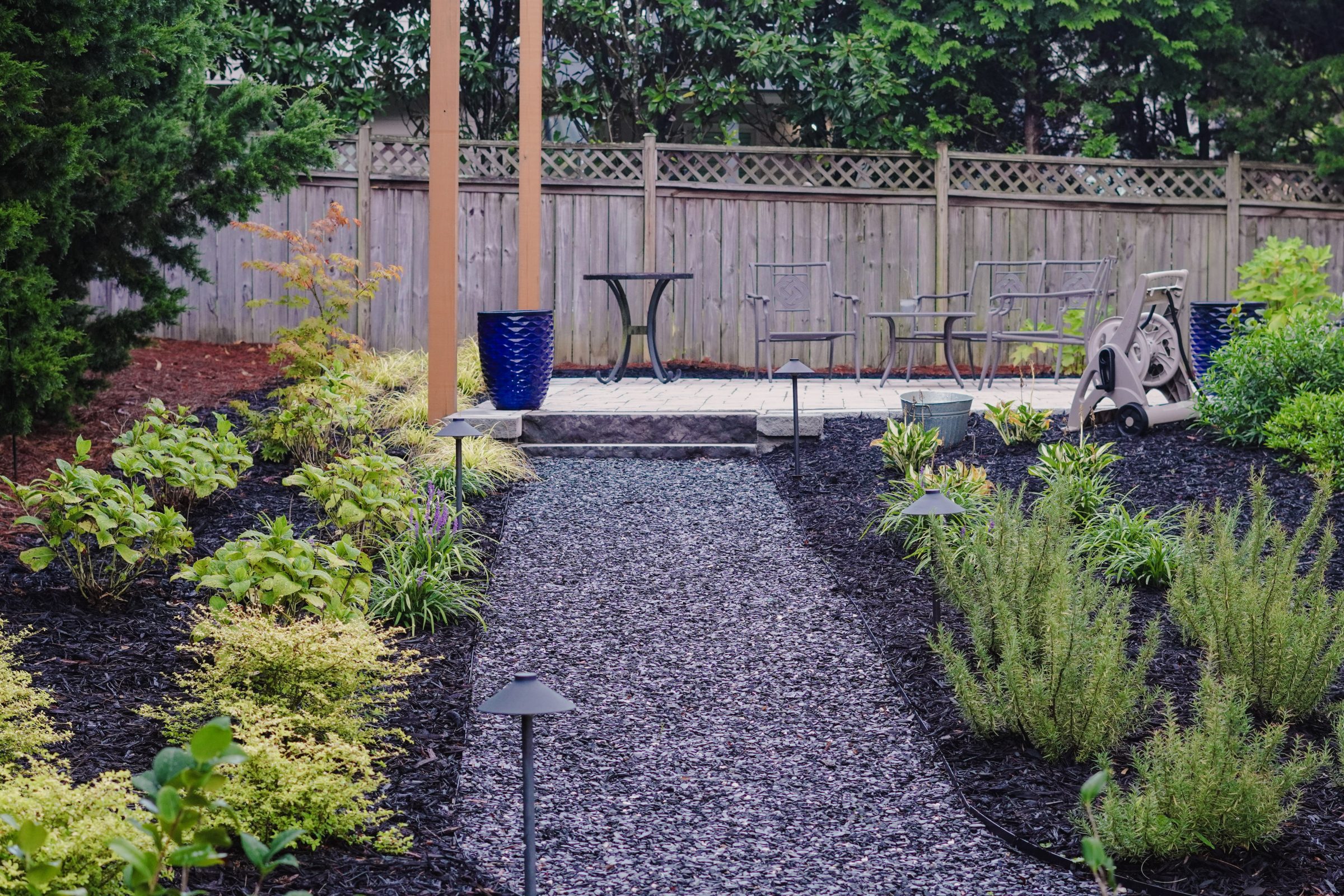
When water sits in your yard after every storm, the question usually shifts from “is there a problem?” to “what should I do about it?” You might notice soggy grass, mulch washing away, or water creeping toward your foundation. You may also notice erosion, pooling near walkways, or areas where plants struggle to grow. These signs often point to deeper drainage patterns that need attention. These are the same concerns many Atlanta homeowners bring up during consultations with Falling Leaves.
If you are trying to understand your options and what actually works, this guide walks through the most common questions, and clear next steps to take.
What Is A French Drain And How Does It Work?
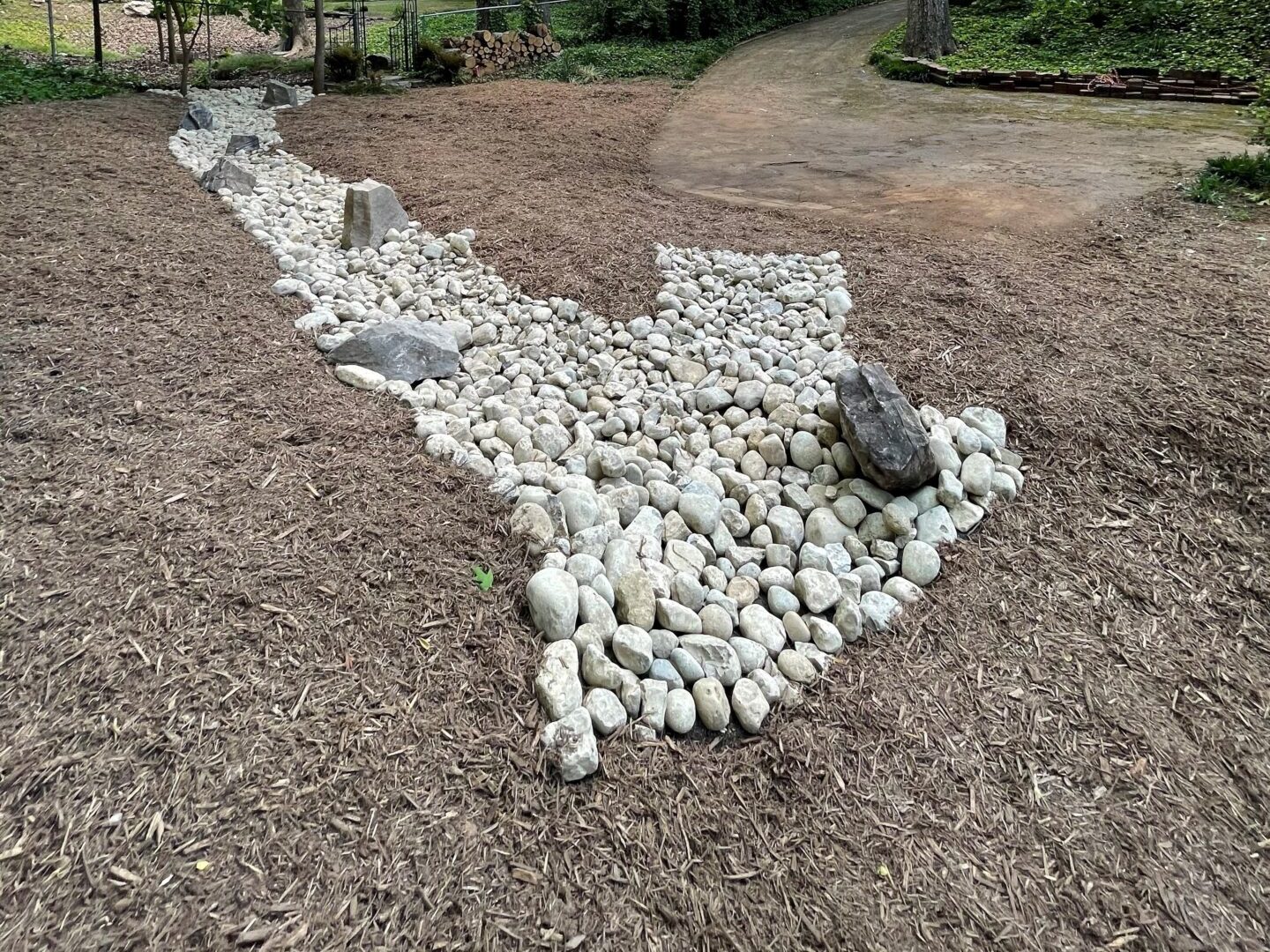
A French drain is a gravel-filled trench with a perforated pipe that redirects underground water away from problem areas. Instead of water staying trapped in dense soil, it flows through the gravel, enters the pipe, and moves downhill to a safe outlet.
The term comes from Henry French, a 19th-century Massachusetts farmer who helped popularize the method. While the name sounds complex, the system itself is straightforward.
A typical French drain Atlanta setup includes:
- A perforated pipe
- Clean gravel or aggregate
- Filter fabric (geotextile)
- A proper outlet location
If you are wondering how does a French drain work, the key is that it targets subsurface water. This means water moving through the soil below ground level. If your issue is fast-moving surface runoff, other solutions like regrading or catch basins may be more appropriate than relying only on a French drain Atlanta system.
Is A French Drain The Right Solution For My Atlanta Yard?
A French drain works best when your yard stays wet due to water moving through the soil. If the ground feels consistently soft or damp well after rainfall, or if moisture seems to move toward your home, a French drain Atlanta installation may be a strong fit.
Atlanta’s clay soil plays a big role here. Clay does not absorb water easily, which causes water to sit or move sideways instead of draining naturally. A French drain helps redirect that water efficiently.
However, it is not always the right solution. If your property has a slope and water is rushing across the surface, you may need:
- Regrading
- A dry creek bed
- Catch basins
- Other drainage solutions for sloped yard areas
Choosing the wrong fix can waste time and create new issues. Before deciding, read: Atlanta Yard Drainage Problems
You can also explore broader Atlanta Yard Drainage Solutions to understand how different systems compare.
How Much Does A French Drain Cost In Atlanta?
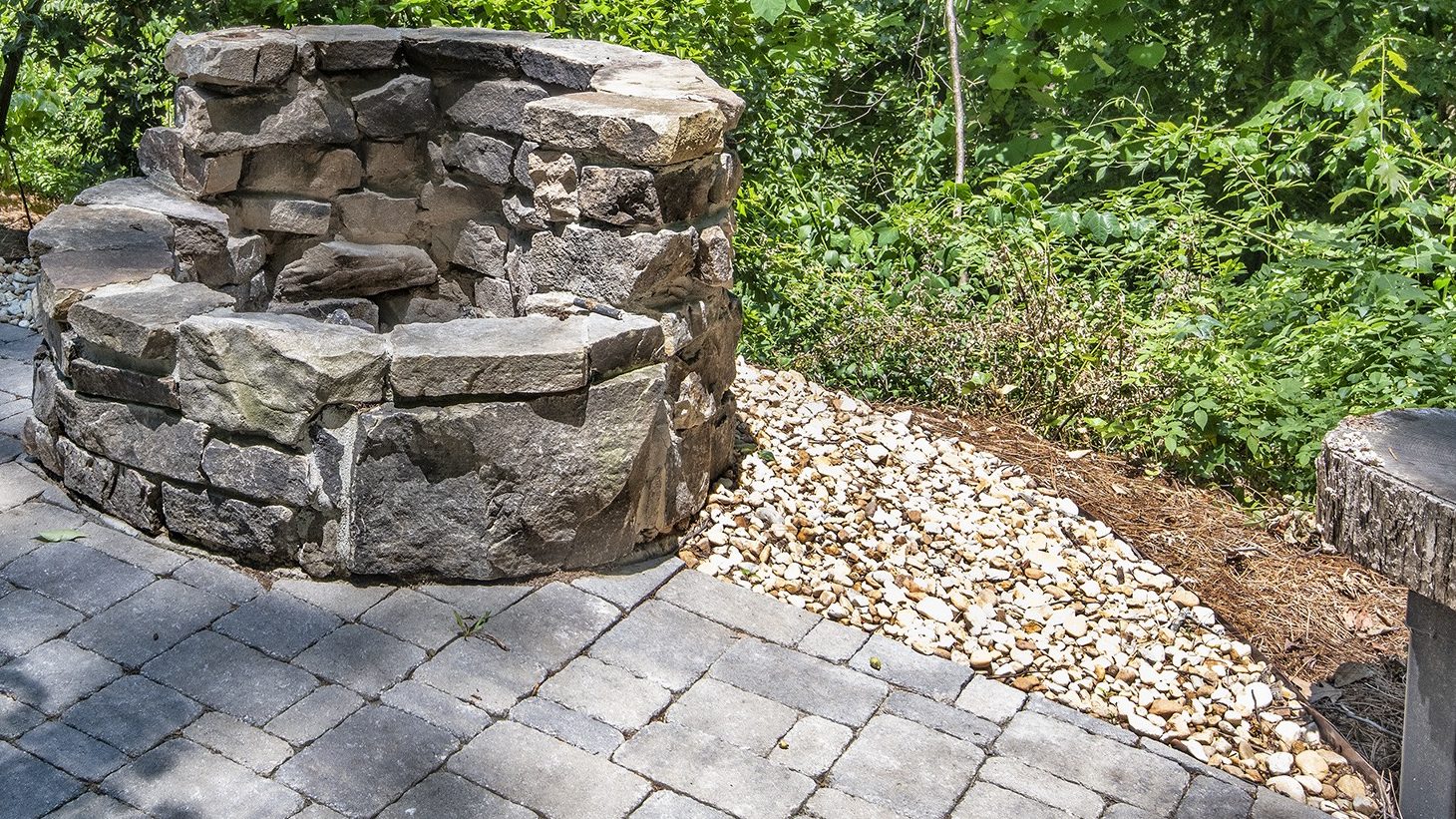
Most homeowners want a clear number, but the reality is your yard determines the scope. Without seeing the property, no estimate is exact. Still, there is a general range that applies to many projects. Factors like slope, soil type, and how water currently moves all influence the final plan and overall installation approach.
Typical French drain cost that Atlanta homeowners encounter falls between $2,500 and $8,000.
The variation depends on:
- Length of the trench
- Depth and soil conditions
- Ease of access
- Outlet type (daylight or dry well)
- Landscape repair after installation
Short, simple runs fall on the lower end. Longer or more complex projects increase the total.
DIY work may seem appealing for short runs, but anything longer than about 30 feet or near your foundation carries risk. Improper slope or poor outlet planning can leave you with the same drainage issue.
If you have been searching for yard drainage solutions near me, a site visit is the best way to understand what your yard actually needs.
How Long Does A French Drain Last?
A well-installed French drain can last 30 to 40 years. Longevity depends on proper installation, material quality, and how well the system matches your yard’s drainage pattern. When the design aligns with how water naturally moves through your property, the system is more likely to perform consistently over time without recurring issues.
Common issues that shorten lifespan include:
- Root intrusion from nearby trees
- Sediment clogging over time
- Blocked outlet points
In Atlanta, tree roots are a major factor due to mature landscapes.
Basic maintenance helps extend performance:
- Check the outlet yearly
- Clear debris after storms
- Flush the pipe every 3–5 years
Watch for warning signs like water returning to previously dry areas or continuous flow at the outlet during dry weather. These can indicate a problem that needs attention.
Will I Need A Permit For Yard Drainage Work In Atlanta?
Most French drain Atlanta installations and basic grading work do not require permits in Atlanta, DeKalb County, or Gwinnett County.
However, exceptions apply:
- Retaining walls over 4 feet
- Direct connections to public stormwater systems
These situations may require approval and engineering review.
Always ask your contractor:
- Does this project require a permit?
- Who handles the paperwork if needed?
Clear answers upfront prevent delays later.
Who Should I Call Before Digging For Drainage Installation?
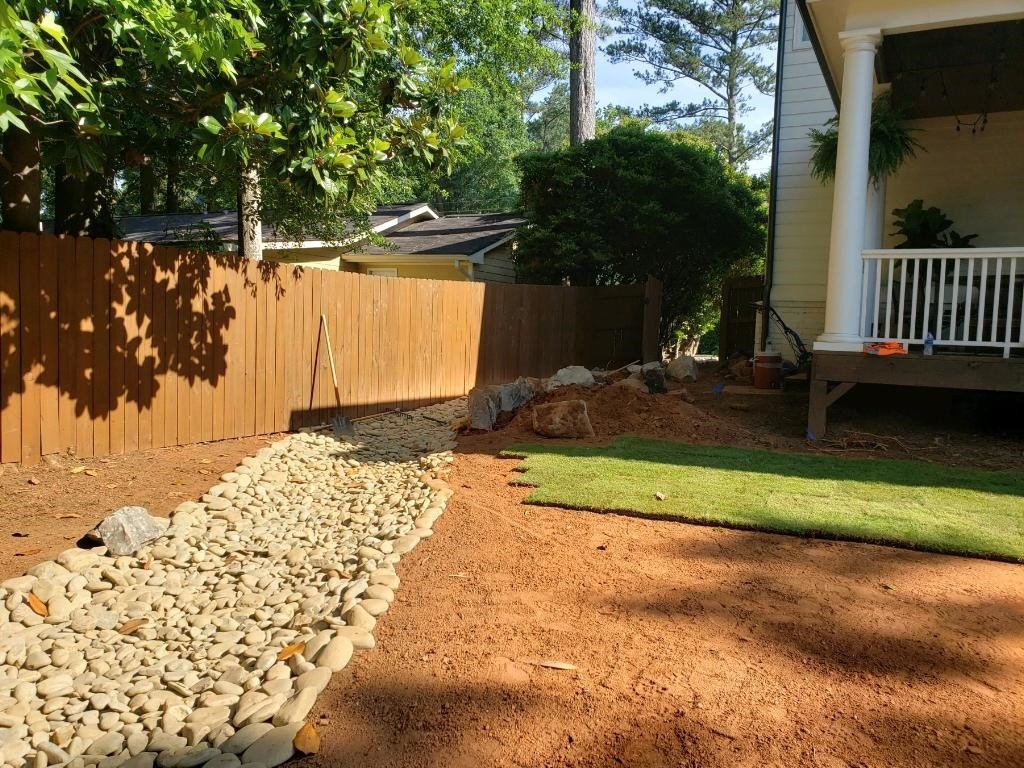
Before digging, you must contact Georgia 811. This free service marks underground utilities such as gas, electric, and water lines. It helps prevent accidental damage that could interrupt services or create safety hazards. Even small projects can expose buried lines you may not expect. Taking this step protects both your property and anyone working on it.
It is required by law.
If you are doing any excavation:
- Call at least 3 business days before digging
- Wait for markings before starting
This is especially important in older Atlanta neighborhoods where records may be unclear.
A contractor should handle this automatically, but always confirm. Skipping this step can lead to serious damage and delays.
Can I Fix My Atlanta Yard Drainage Myself?
Some minor drainage improvements are manageable on your own. These can help with small surface issues. You might be able to reduce pooling or slow down runoff with simple adjustments around your property. These smaller fixes are often a good starting point before considering larger drainage changes that require more planning and equipment.
DIY-friendly options include:
- Extending downspouts
- Adding gravel to low spots
- Installing splash blocks
- Planting water-tolerant groundcover
However, larger work like trenching, grading, or installing a French drain Atlanta system requires precision. Mistakes can lead to foundation issues or improper water flow.
A practical approach is:
- Get a professional assessment
- Understand the full scope
- Decide what portion you can handle
This helps you avoid trial-and-error fixes that do not address the real issue.
How Do I Choose A Yard Drainage Contractor In Atlanta?
Choosing the right contractor starts with asking clear questions. Drainage is not just about installing a pipe. It is about understanding how water moves across your entire property.
Ask:
- Do you assess grading before quoting?
- Where will the water drain?
- Will landscaping be restored?
- Are you licensed and insured?
Red flags include:
- Quoting without visiting the site
- Vague answers about water discharge
Local experience matters. Contractors who live and work in the community understand Atlanta’s soil, slopes, and drainage challenges.
A Clearer Next Step For Your Yard
If your yard stays wet or water keeps returning to the same spots, the next step is understanding why. A French drain Atlanta system can work well when the issue is subsurface water, especially in clay soil. But it is not the answer in every situation.
The goal is to solve the problem once with the right approach, not test multiple partial fixes. That comes from clear assessment and planning.
Still have questions about your specific yard drainage? Falling Leaves offers honest, no-pressure site assessments for Greater Atlanta homeowners. They will walk your property, explain what is happening, and outline your options. Request a Consultation.
Summary
A French drain Atlanta system helps redirect underground water and prevent ongoing saturation in your yard. It works best when soil conditions trap moisture and send it toward problem areas. With proper installation and planning, it can provide long-term drainage relief and protect your property from repeated water issues.
Tags: