The Atlanta Homeowner’s Complete Guide To Yard Drainage Solutions
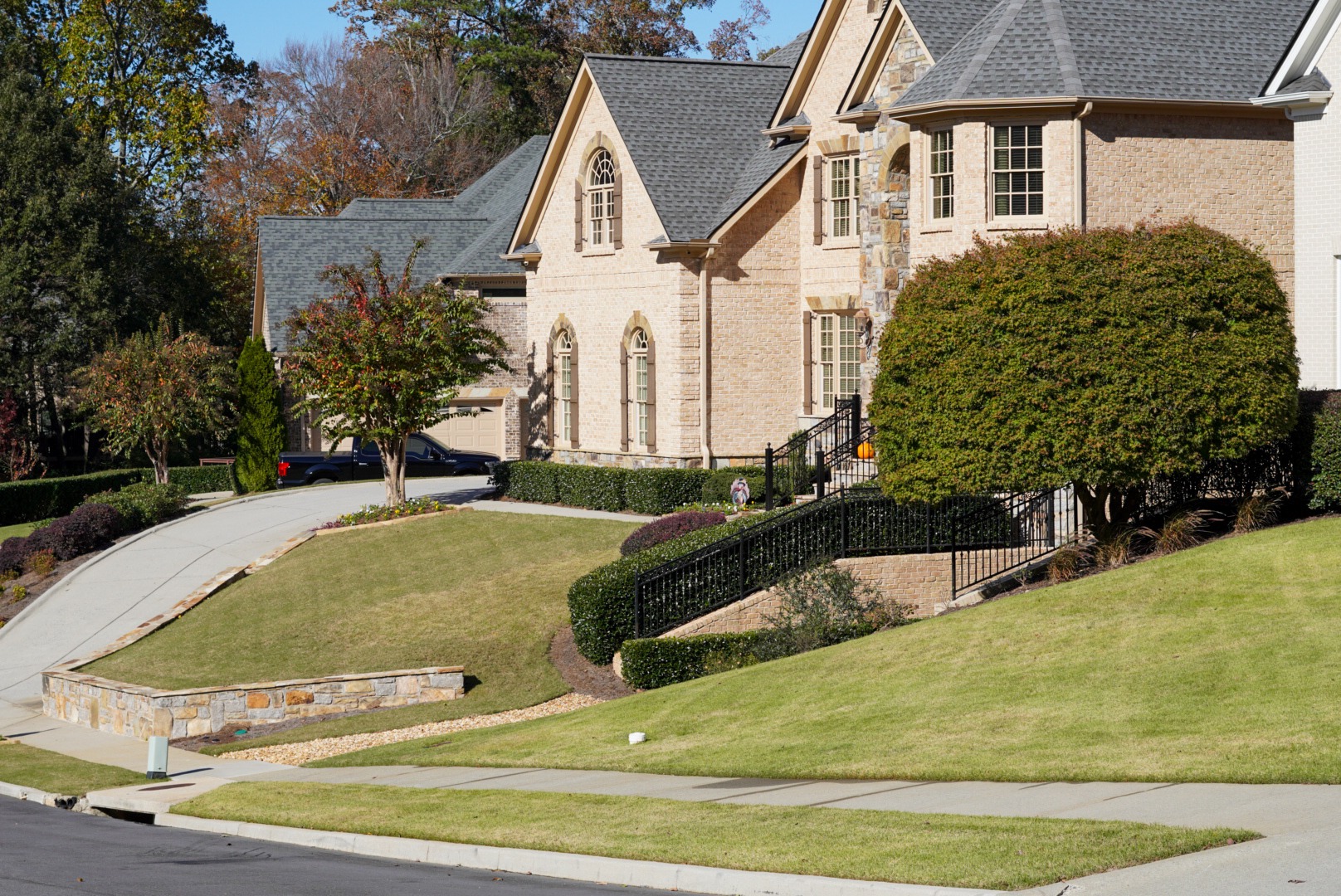
If water pools in your yard every time it rains in Atlanta, you already know how frustrating it is. The soggy patches that never fully dry out, the mulch that washes out of your beds after every storm, the erosion creeping closer to your foundation — it is a problem that does not go away on its own.
What makes it worse is that Atlanta’s heavy clay soil and roughly 50 inches of annual rainfall are working against you from the start. Many homeowners try quick fixes (extending a downspout, filling in a low spot with topsoil) only to watch the water return after the next heavy rain. Meanwhile, the damage quietly adds up. Prolonged moisture weakens foundations, kills grass, and turns outdoor spaces you should be enjoying into areas you avoid. The longer it sits, the more expensive it becomes to repair.
The good news is that the yard drainage solutions Atlanta homeowners rely on are well understood, and when the right fix is matched to the actual cause, the results last. From French drains to professional regrading, there are proven approaches designed specifically for the challenges Georgia soil and weather create.
Read on for a complete guide that walks you through why your yard is holding water, how to identify the warning signs, and which drainage solution fits your situation.
Why Atlanta Yards Have Drainage Problems (It’s Not Your Fault)
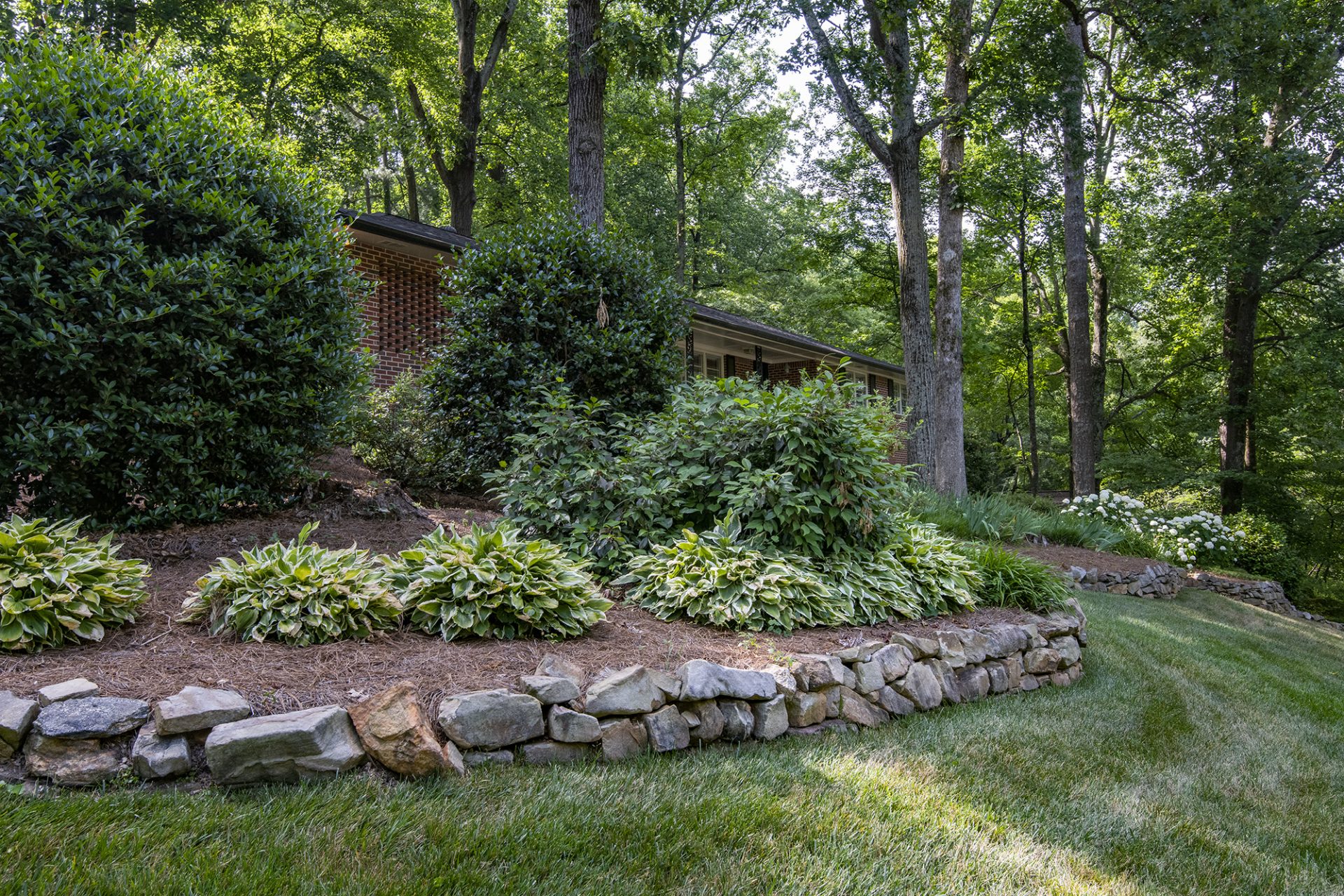
If your yard struggles with water, the cause is often built into the land itself. In many parts of Georgia, including Atlanta, the soil is heavy clay. According to the University of Georgia Extension, clay soil is dense and slow to absorb water. It tends to hold moisture near the surface rather than letting it drain naturally.
This becomes more noticeable when you consider Atlanta’s rainfall. The region receives around 50 inches of rain annually. That amount of water, combined with clay-heavy soil, creates the perfect conditions for pooling and runoff issues.
In neighborhoods like Tucker, Dunwoody, and Druid Hills, older properties often have mature tree cover. While trees provide shade and character, their root systems can compact soil and disrupt natural drainage patterns. Over time, this makes Atlanta yard drainage issues more common, especially in low-lying areas.
Newer subdivisions face a different challenge. During construction, land is often regraded to fit housing layouts. This can change how water naturally flows across the property. Instead of moving away from your home, water may be redirected toward it.
The USDA soil maps for DeKalb and Gwinnett counties show a mix of clay and compacted subsoil, which further limits infiltration. When combined with heavy rainfall, water has nowhere to go but across the surface.
Understanding these local factors is the first step toward finding the right drainage solutions homeowners can rely on. It gives you a clearer picture of why water behaves the way it does on your property and helps you avoid solutions that only address surface-level symptoms.
Next, it helps to recognize the signs that your yard needs attention. By identifying issues early, you can take the right steps before they develop into larger, more difficult problems to manage.
Warning Signs Your Yard Has A Drainage Problem
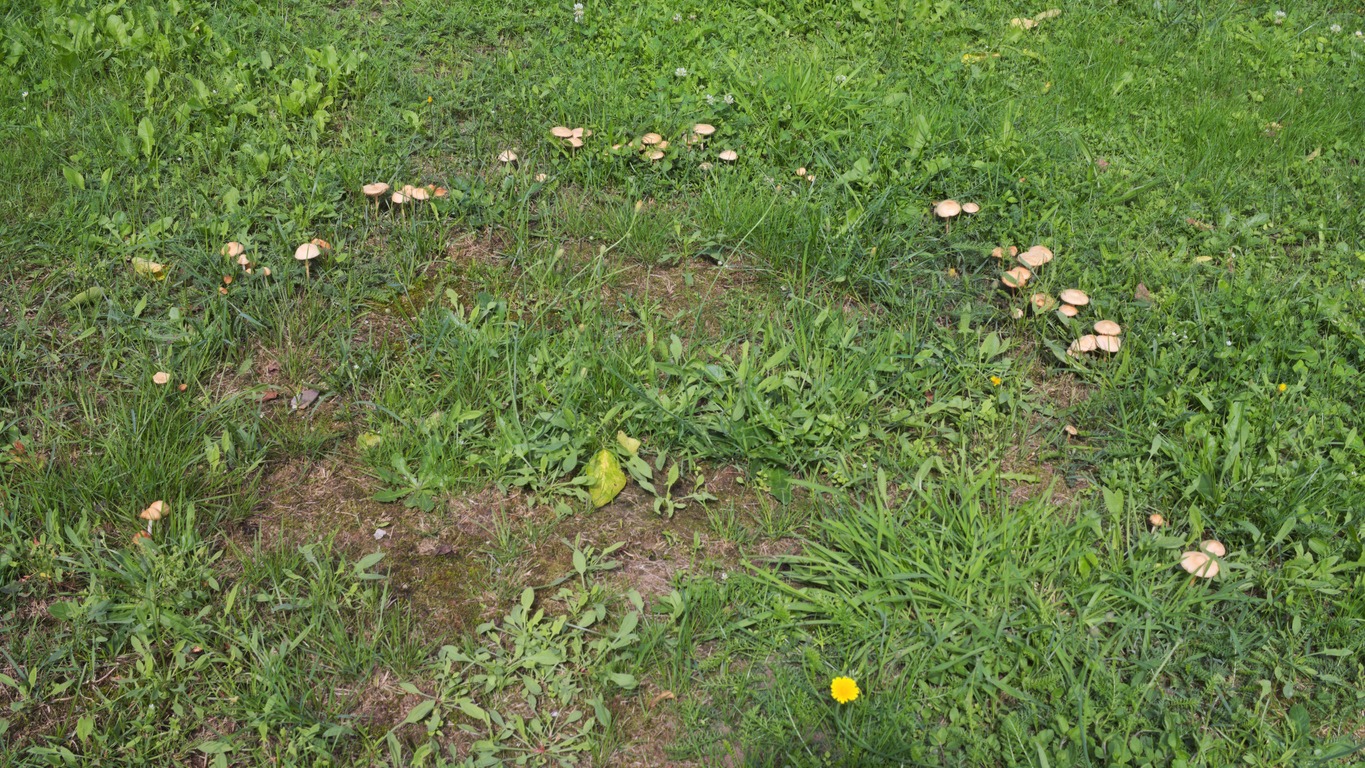
Drainage issues often show up gradually. You may not notice them at first, but over time, the signs become harder to ignore. Small patches of damp soil or minor pooling can quickly turn into larger problem areas if left unchecked. Knowing what to look for helps you address the problem early, reducing the risk of long-term damage to your lawn, landscape, and home.
Here are the most common indicators:
- Standing water that stays for 24 to 48 hours after rainfall
- Soft, spongy areas in your lawn even during dry periods
- Visible erosion, including ruts or exposed soil
- Water collecting near your foundation or basement walls
- Patchy grass growth, moss, or algae in shaded low spots
- Mulch washing out of garden beds after storms
In Atlanta, seasonal changes can make these signs more obvious. During spring and late summer, heavy rainstorms increase the likelihood of pooling water. You can learn more about how seasonal conditions impact your yard by exploring our Seasonal Services, where recurring wet areas and weather-related drainage issues are addressed throughout the year.
Ignoring these signs can lead to more serious concerns. Foundation moisture, for example, is not just a landscaping issue. It can affect the structural stability of your home over time and may lead to cracks, shifting, or long-term repair needs if left unaddressed.
When you start seeing multiple symptoms, it is a clear signal that you need proper drainage solutions for yards rather than temporary fixes. Acting early helps prevent further damage and gives you a better chance of resolving the issue before it becomes more complex.
The 6 Most Effective Yard Drainage Solutions
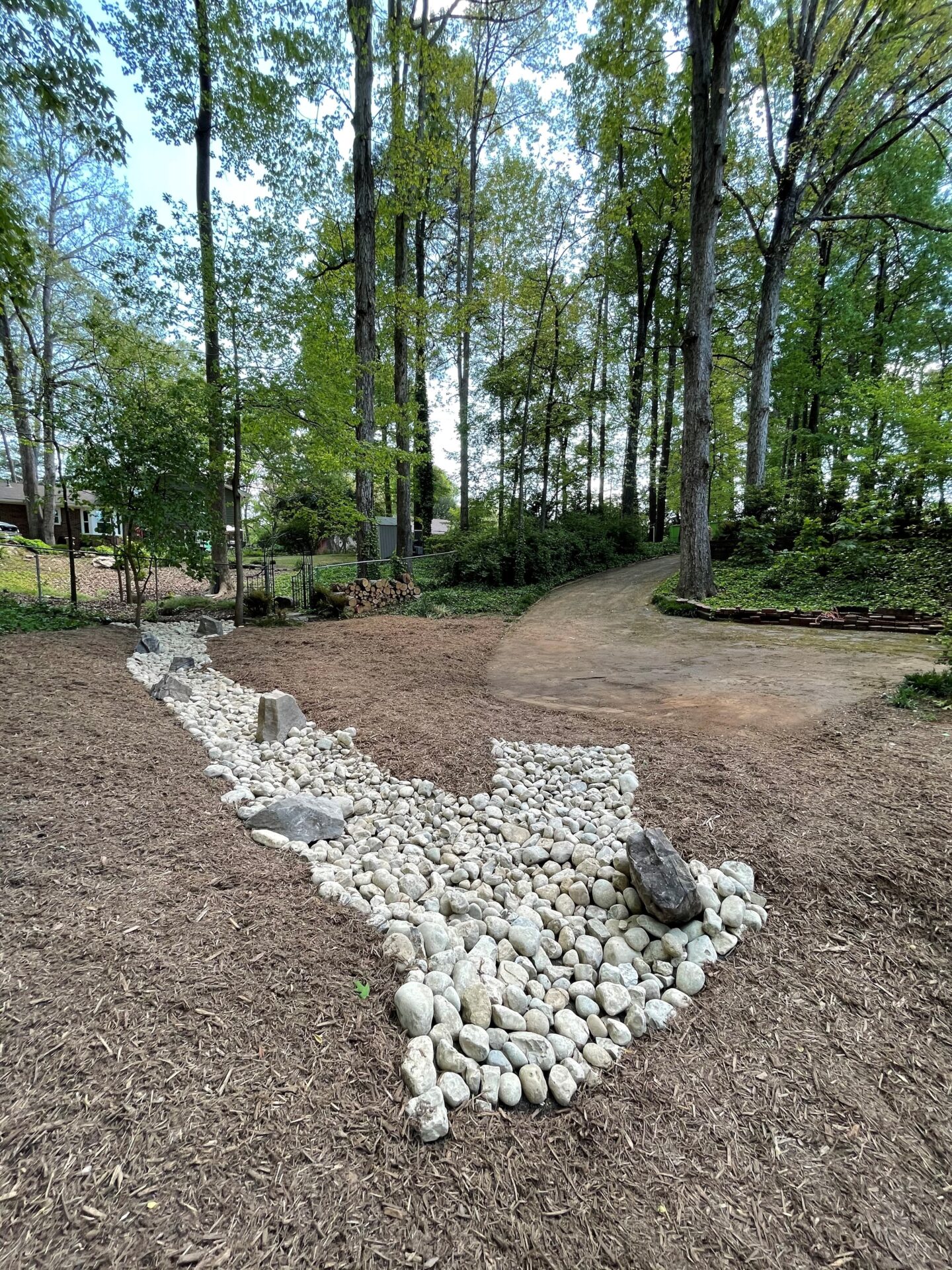
Choosing the right approach depends on your yard’s layout, soil, and water flow patterns. Below are six proven drainage solutions homeowners use to manage water effectively. Each option serves a different purpose, and in many cases, combining multiple methods provides the best outcome for controlling runoff, preventing pooling, and protecting your property from long-term water damage.
French Drains
A French drain is one of the most reliable solutions for redirecting water underground. It consists of a perforated pipe surrounded by gravel, installed in a trench that guides water away from problem areas.
This system works especially well on sloped properties, which are common in parts of Atlanta. Water naturally flows downhill, and the drain captures and redirects it before it reaches your foundation or lawn.
French drains are ideal for persistent wet zones or areas where water collects after heavy rain. When installed properly, they provide long-term relief without affecting the look of your yard. They work below the surface, which means you can maintain your existing landscaping while improving drainage performance.
Visual suggestion for design team: include a simple diagram showing how water enters the gravel trench, filters through the surrounding material, and flows into the perforated pipe before being redirected safely away from the home.
As one of the most widely used yard drainage solutions in Atlanta, French drains often form the backbone of a complete system.
Surface Grading And Regrading
Sometimes the issue is not the volume of water, but the direction it flows. Surface grading involves adjusting the slope of your yard so water moves away from your home instead of toward it.
Regrading is common after home additions, landscaping changes, or tree removal. These changes can disrupt the original slope and create new drainage problems. Even small alterations to the landscape can shift how water flows across your property, leading to unexpected pooling or runoff issues.
In Atlanta’s clay soil, even a slight change in grading can make a significant difference. Proper grading ensures that water does not settle in low areas or against your foundation. When done correctly, it creates a consistent path for water to move away from your home, reducing the risk of long-term moisture-related concerns.
This approach is often combined with other yard drainage solutions near me homeowners search for, as it sets the foundation for effective water movement. When the slope is corrected first, additional systems like drains or swales can work more efficiently and deliver longer-lasting results across your entire yard.
Dry Creek Beds
Dry creek beds are both functional and visually appealing. They mimic natural stream channels using stone and gravel to guide water through your yard. This approach helps control runoff while adding structure and texture to your landscape design without relying on complex underground systems.
In wooded neighborhoods like Druid Hills, this solution blends well with the existing landscape. It allows water to flow naturally while reducing erosion. The use of natural materials also complements mature trees and shaded environments, making it a practical choice for properties that aim to maintain a more organic and cohesive outdoor setting.
Dry creek beds are particularly effective in areas where water needs to move across the surface rather than underground. They also help prevent soil washout during heavy rain. In Atlanta, where sudden storms can release large amounts of water quickly, this surface-level control helps guide runoff safely without overwhelming underground systems or damaging surrounding landscape features.
Catch Basins And Channel Drains
For hard surfaces like driveways and patios, water cannot soak into the ground. Instead, it needs to be collected and redirected.
Catch basins are installed at low points to capture water and funnel it into underground pipes. Channel drains run along edges of surfaces to intercept water before it spreads.
These systems are common in newer subdivisions around Atlanta, where large paved areas are more common. They are essential for preventing pooling and surface flooding. Without proper drainage, water can quickly accumulate on driveways and patios, creating safety concerns and increasing wear on hard surfaces over time.
When combined with other drainage solutions, they ensure that both softscape and hardscape areas are properly managed. This integrated approach helps direct water efficiently across the entire property, reducing pressure on any single system and improving overall performance during heavy rainfall events.
Downspout Extensions And Drainage Pipes
In many cases, drainage issues start with your roof. If downspouts release water too close to your home, it can quickly lead to pooling and foundation concerns. Over time, this repeated exposure to water can weaken soil around your home and increase the risk of moisture entering basements or crawl spaces.
Extending downspouts away from the house is often the first step. Additional drainage pipes can carry water further into the yard or toward a designated outlet. This helps distribute water more evenly across your property and reduces the chance of concentrated runoff causing damage in one specific area.
Many Atlanta homes were built with minimal downspout extensions, making this a common oversight. Addressing it can significantly reduce water buildup. By moving water further away from your foundation, you help prevent pooling near the structure and reduce the likelihood of long-term moisture-related issues developing around your home.
While simple, this solution is often part of larger yard drainage solutions systems that manage water from multiple sources. When combined with proper grading or underground piping, it helps move water further away from your home, reducing the risk of pooling near your foundation and improving overall drainage performance across your property.
Rain Gardens And Bioswales
Rain gardens use native plants to absorb and filter runoff. Bioswales are shallow channels designed to slow and redirect water while allowing it to soak into the soil. These systems work especially well in Atlanta’s climate, where heavy rain events are common, helping reduce runoff while supporting healthier soil and more resilient planting areas over time.
These approaches align with guidance from the Georgia Environmental Protection Division, which encourages natural stormwater management practices. By managing runoff at the source, you reduce strain on municipal systems and help improve water quality in local streams and waterways throughout the Atlanta area.
In areas like Decatur and Buckhead, rain gardens are becoming more common as homeowners look for sustainable solutions. Native plants also thrive in Georgia’s climate, making them a practical choice. These plants are adapted to local rainfall patterns and soil conditions, which means they require less maintenance while still handling excess water effectively.
As environmentally conscious drainage solutions for yards, these options help manage water while supporting local ecosystems. They also improve soil health over time, attract beneficial pollinators, and create a more natural landscape that works with your property rather than against it.
DIY Vs. Hiring A Professional Drainage Contractor In Atlanta
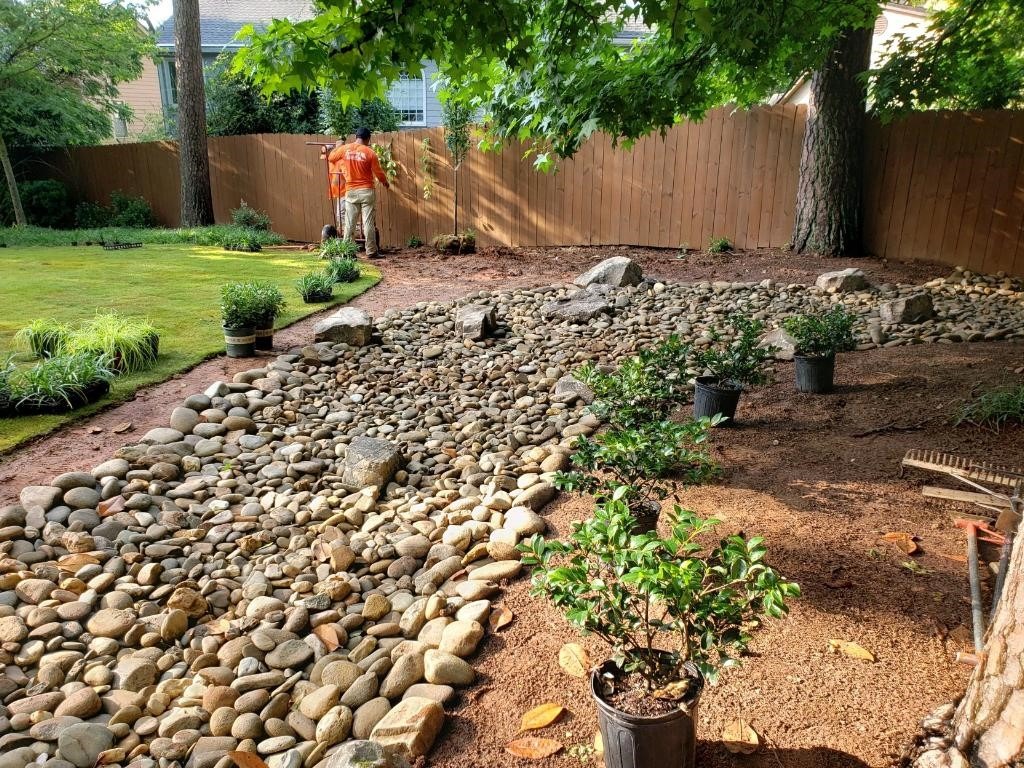
Some drainage fixes are manageable on your own. Others require professional expertise and equipment. Knowing the difference can save you time and prevent costly mistakes. It also helps you avoid temporary fixes that fail over time, ensuring your effort leads to long-term results rather than recurring issues after every heavy rainfall or seasonal weather change.
You can typically handle these tasks yourself:
- Installing downspout extensions
- Minor grading using hand tools
- Redirecting small surface runoff areas
However, more complex systems require professional installation:
- French drains
- Large-scale regrading
- Catch basins and underground piping
Attempting these without proper knowledge can make the problem worse. You risk disrupting water flow, damaging irrigation lines, or creating code compliance issues. In some cases, improper installation can even redirect water toward your home instead of away from it, leading to more serious and expensive problems over time.
When looking for a yard drainage company Atlanta, consider:
- Local experience with Georgia soil conditions
- Clear site assessment process
- Proven track record in neighborhoods like yours
You benefit from working with professionals who understand how water behaves in Atlanta’s environment. This ensures that your solution is built to last. It also means the design accounts for local soil conditions, rainfall patterns, and grading challenges, reducing the likelihood of recurring issues and helping your drainage system perform reliably over time.
If you have standing water or drainage issues on your Atlanta property, our team offers on-site assessments for homeowners in the Greater Atlanta area.
How Much Does Yard Drainage Cost In Atlanta?
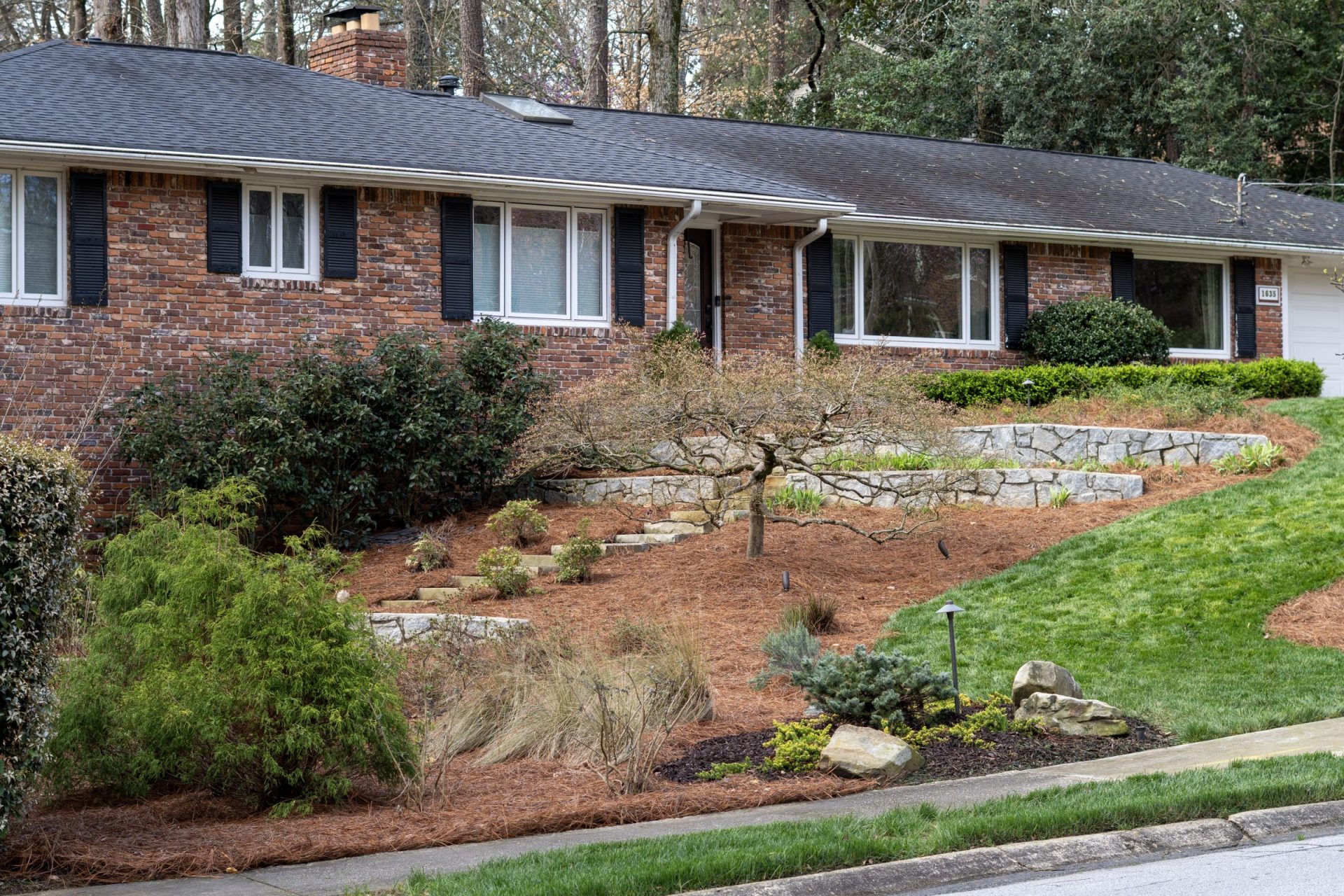
This is one of the most common questions homeowners ask. The reality is that drainage work varies widely depending on several factors.
These include:
- Size and slope of your property
- Soil composition (especially clay content)
- Type of solution required
- Accessibility of the installation area
For example, a simple downspout extension will require far less work than a full French drain system across a sloped yard. Similarly, properties in older neighborhoods with mature landscaping may require more detailed planning.
Because of these variables, the only way to get an accurate number is through a professional site evaluation. This allows you to understand what is happening below the surface and what solution will actually resolve the issue.
Investing in proper yard drainage solutions Atlanta homeowners trust often prevents larger repair expenses in the future. With that in mind, it helps to understand how a professional team approaches the process.
Falling Leaves’ Approach To Drainage In The Atlanta Area
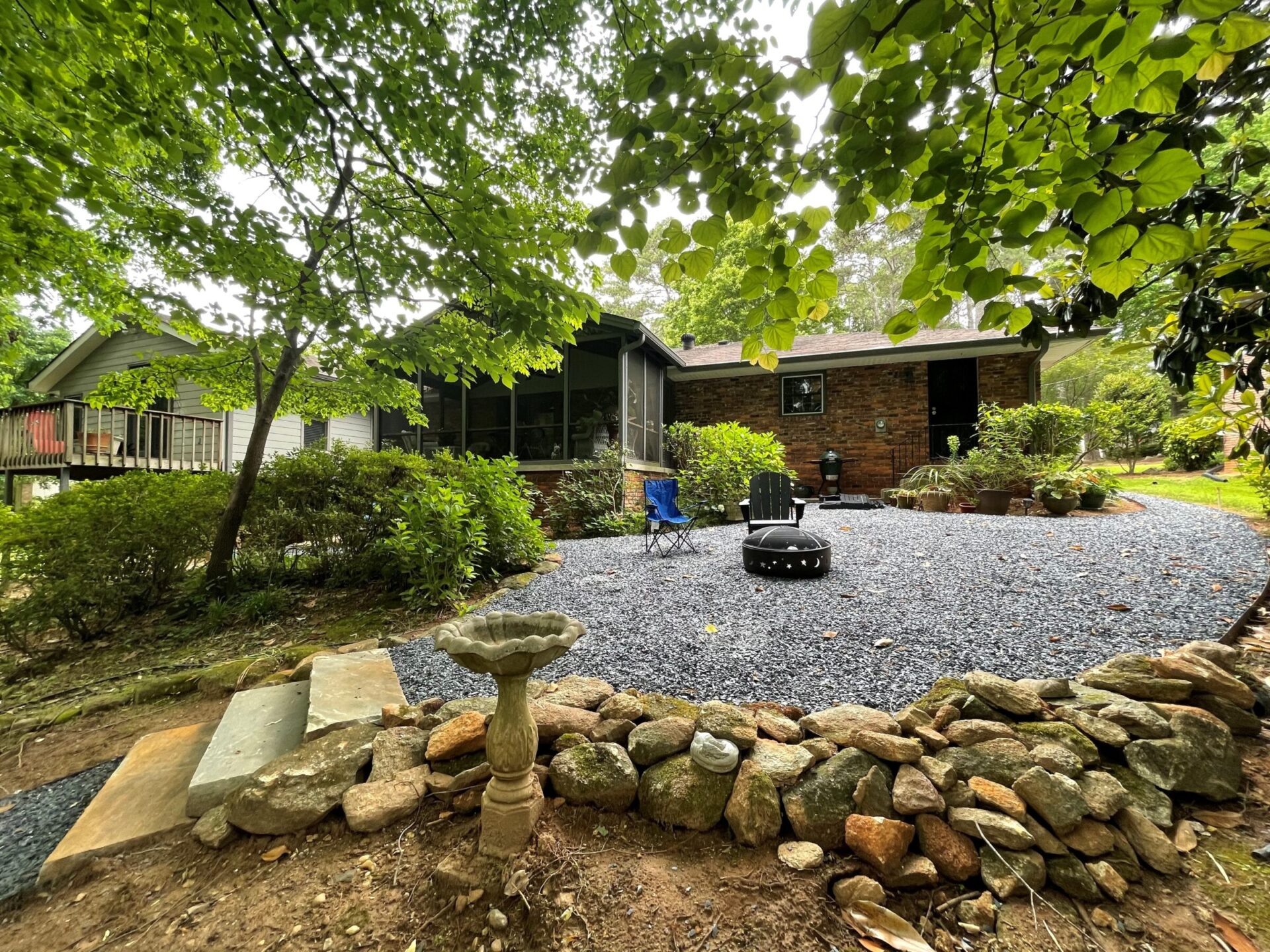
When you work with a local team, you get insight that goes beyond general recommendations. Falling Leaves Landscape Professionals has been part of the Atlanta community for years. They live and work in the same neighborhoods they serve, which builds a level of trust over time.
Their process begins with a detailed site walk. You get a clear assessment of grading, soil conditions, and water flow patterns. This is followed by a practical plan that addresses the root cause of your drainage issue.
A typical project includes:
- On-site consultation
- Clear proposal with recommended solutions
- Professional installation
Service areas include Tucker, Dunwoody, Druid Hills, Decatur, Buckhead, Alpharetta, Johns Creek, and Roswell.
What sets them apart is consistency. They follow through on what they say they will do. You also have a dedicated account manager who stays involved and identifies potential issues early. This proactive approach helps catch drainage concerns before they become larger problems, giving you peace of mind and a more reliable long-term outcome for your property.
You can learn more about how drainage improvements fit into ongoing care by exploring our Landscape Property Maintenance services. This approach helps identify issues early and address them before they become larger problems, keeping your landscape consistent, healthy, and well-managed throughout the year.
Their approach to drainage solutions homeowners rely on is rooted in experience, attention to detail, and long-term results. You get a system designed to perform reliably over time, with a focus on preventing future issues rather than applying short-term fixes.
Frequently Asked Questions
Here are some of the most common questions Atlanta homeowners have when dealing with yard drainage concerns. These quick answers can help you better understand what to expect and when to take action.
Does homeowners insurance cover yard drainage problems in Georgia?
In most cases, standard policies do not cover drainage issues caused by poor grading or natural water flow. Coverage may apply if damage results from a sudden event, but not ongoing conditions.
How long does a French drain last?
A properly installed French drain can last 20 to 30 years or more. Longevity depends on installation quality, soil conditions, and regular maintenance.
Will fixing my drainage also help my lawn?
Yes, improved drainage allows grass roots to access oxygen and nutrients. This often results in healthier, more consistent lawn growth.
Can drainage problems damage my foundation?
Yes, prolonged exposure to moisture can weaken foundation materials and lead to cracks. Addressing drainage early helps prevent structural issues.
Do I need a permit for yard drainage work in Atlanta?
Some projects may require permits, especially if they affect stormwater systems. Local regulations vary, so it is best to confirm with your municipality or contractor.
What Your Yard Needs To Stay Dry And Functional
Water issues in your yard are rarely random. They are usually the result of soil conditions, rainfall patterns, and how your property was built or modified over time. Once you understand those factors, the path forward becomes much clearer.
From French drains to grading adjustments, the right solution depends on your specific situation. In many cases, a combination of approaches works best to manage water effectively, especially in Atlanta’s clay-heavy soil where water movement can be unpredictable without proper planning.
Addressing drainage early helps protect your lawn, your landscaping, and your home’s structure. It also improves how you use your outdoor space throughout the year, allowing you to enjoy a yard that stays functional and stable even after heavy rainfall.
If you have standing water or drainage issues on your Atlanta property, our team offers on-site assessments for homeowners in the Greater Atlanta area. Request a Consultation today.
Summary
If you are dealing with pooling water or soggy soil, the right yard drainage solutions Atlanta homeowners use can resolve the issue by addressing soil, slope, and water flow together. By identifying the root cause and applying the appropriate solution, you can prevent recurring problems, improve drainage efficiency, and maintain a healthier, more functional outdoor space throughout the year.
A proper plan helps protect your lawn, planting beds, walkways, and foundation while improving how your yard handles heavy rain throughout the year. It also reduces erosion, prevents long-term structural concerns, and creates a more usable outdoor space in every season. Over time, this means fewer recurring issues after storms, better plant health, and more consistent ground conditions, so you can enjoy your property without constantly dealing with wet or unstable areas.
Tags: