7 Reasons Your Atlanta Yard Has Drainage Problems (And What To Do About Each One)
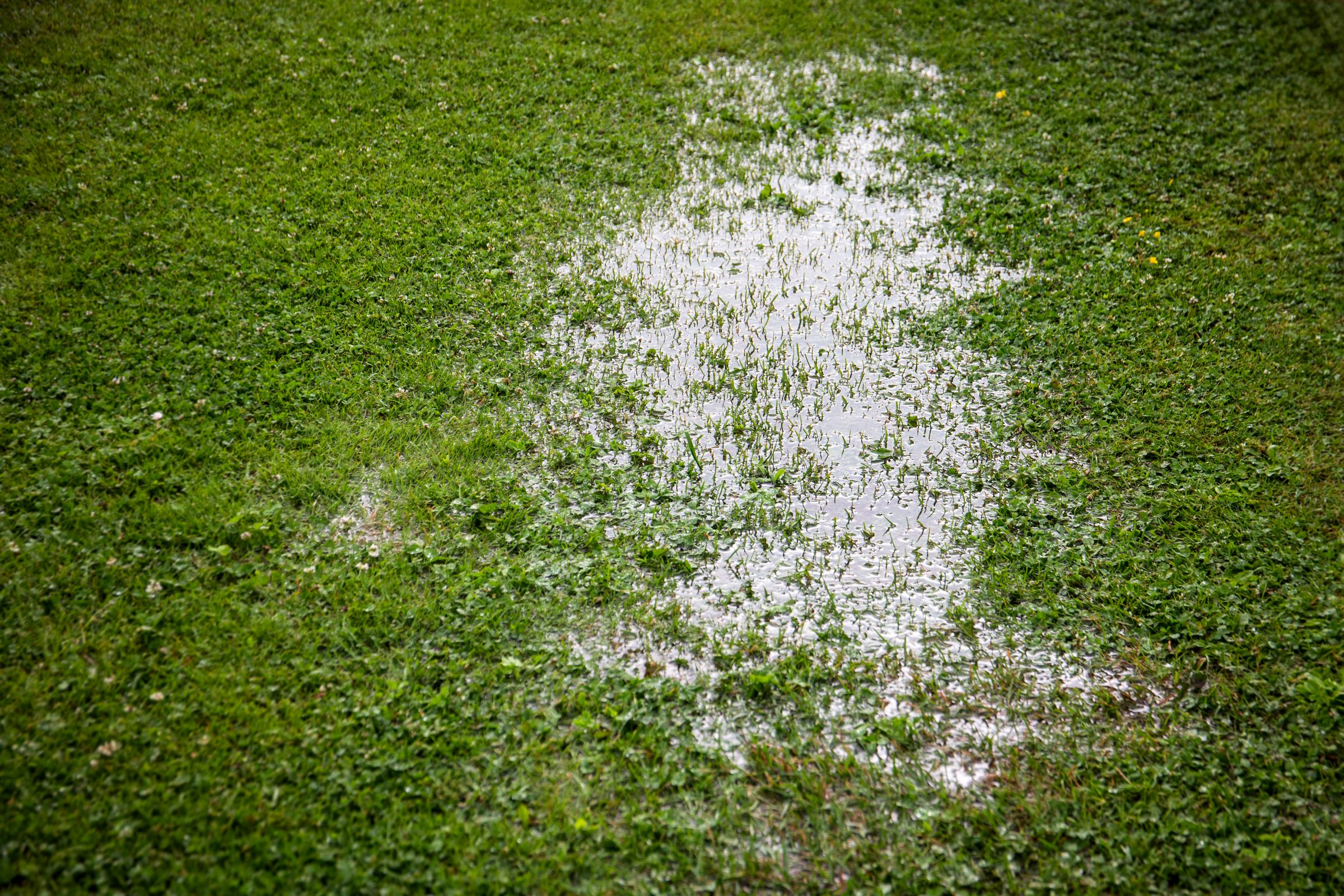
If your lawn stays soggy after rain, water pools near your house, or certain areas never seem to dry out, you are dealing with a common Atlanta problem. Atlanta yard drainage issues affect many homes because of the region’s dense clay soil, frequent heavy rain, and uneven terrain. In many cases, this has little to do with how well you care for your property. It is often the result of how water naturally moves through your lot.
Across Greater Atlanta, yards in areas like Decatur, Sandy Springs, Marietta, and Dunwoody often face similar issues. Water collects, grass struggles, and mulch washes away, making outdoor spaces harder to use.
Understanding the cause is the first step. Once you know what is happening, you can choose the right solution. Here are seven common reasons your yard is holding water and what to do about each one.
1. Georgia’s Clay Soil Doesn’t Absorb Water
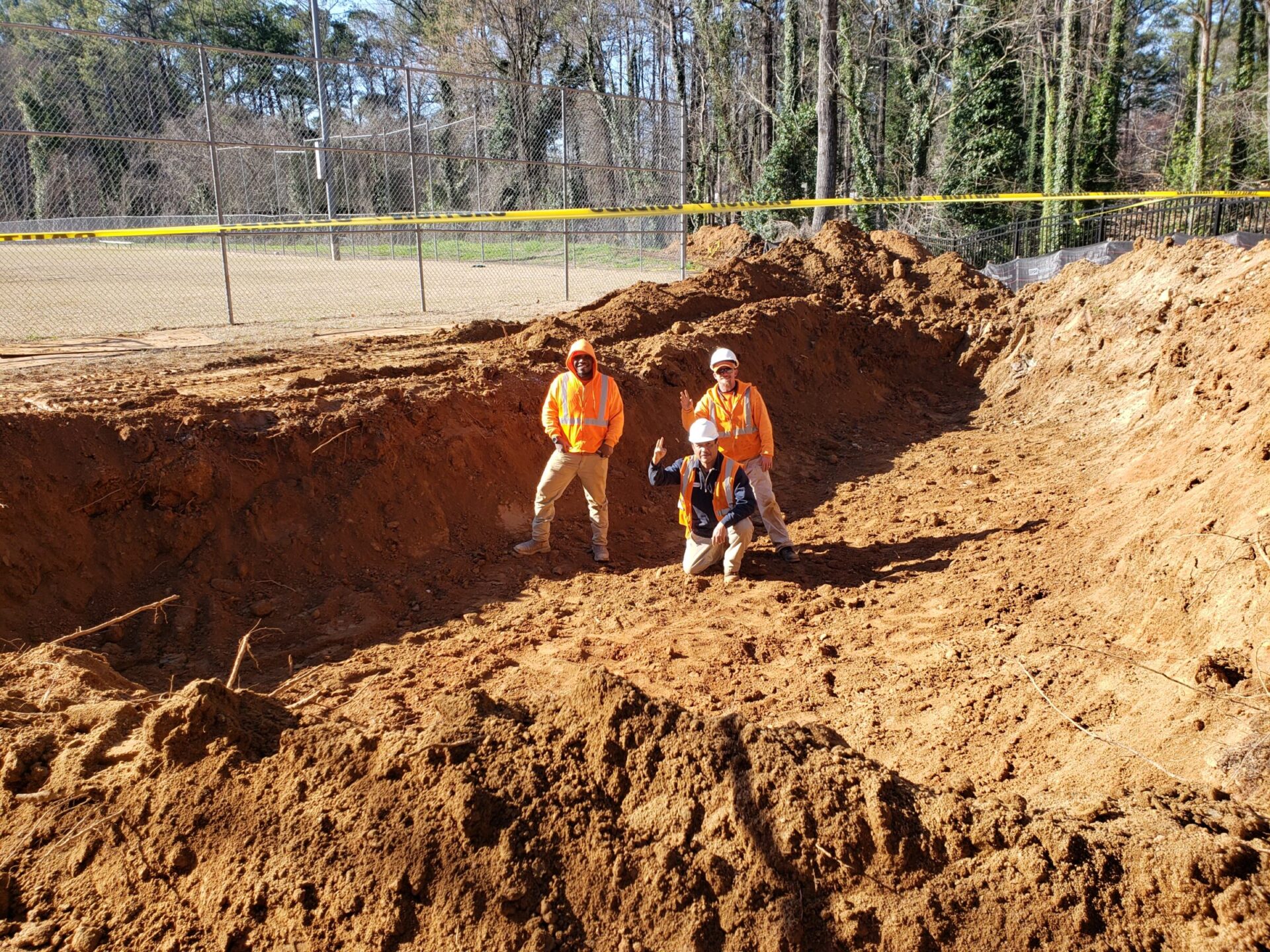
One of the biggest reasons for Atlanta yard drainage trouble is the soil itself. Much of the area sits on clay-heavy soil, especially the Cecil soil series found across Fulton, Gwinnett, and DeKalb counties. Clay particles are small and tightly packed, so water moves through them very slowly.
During a strong storm, the ground can become saturated quickly. Instead of soaking in, water stays on the surface or moves toward low areas, which is common with Atlanta clay soil.
You may notice standing water in the lawn or near planting beds that lingers for days, especially in shaded areas. Over time, this can become a repeated issue after every rainfall.
What To Do
If the issue is mild, core aeration may help open the surface slightly. But if clay saturation keeps coming back, you may need stronger drainage solutions for yards, such as regrading or a French drain. If you want to compare options, read our Yard Drainage Solutions guide.
2. Your Yard’s Grade Is Directing Water The Wrong Way
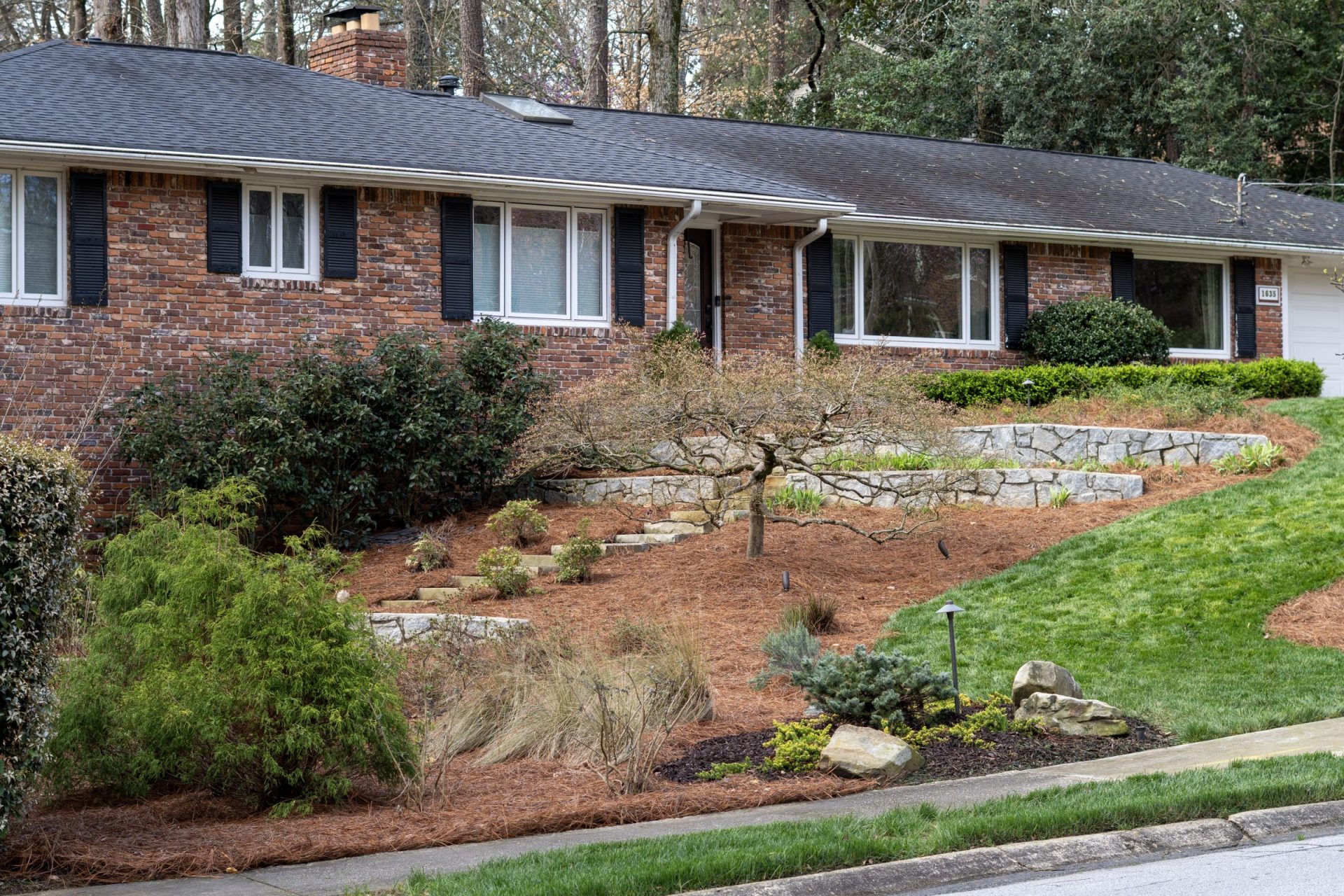
Every yard has a slope, even if it appears flat. Over time, settling soil, growing roots, and past construction can change that slope, causing water to flow toward your home instead of away from it.
This is a major cause of Atlanta yard drainage issues. When the grade slopes the wrong way, water collects near the foundation, steps, or garden beds, leading to muddy and damp areas.
Grading problems are easy to miss. Signs like water stains, washed-out mulch, and soft spots in the lawn often point to poor slope direction.
What To Do
A grading assessment can confirm whether your lot is sending water the wrong way. In some cases, a downspout extension offers short-term relief. But if the slope is the main problem, a grading adjustment is often the more effective yard drainage fix.
3. Your Gutters And Downspouts Are Dumping Water In The Wrong Spot
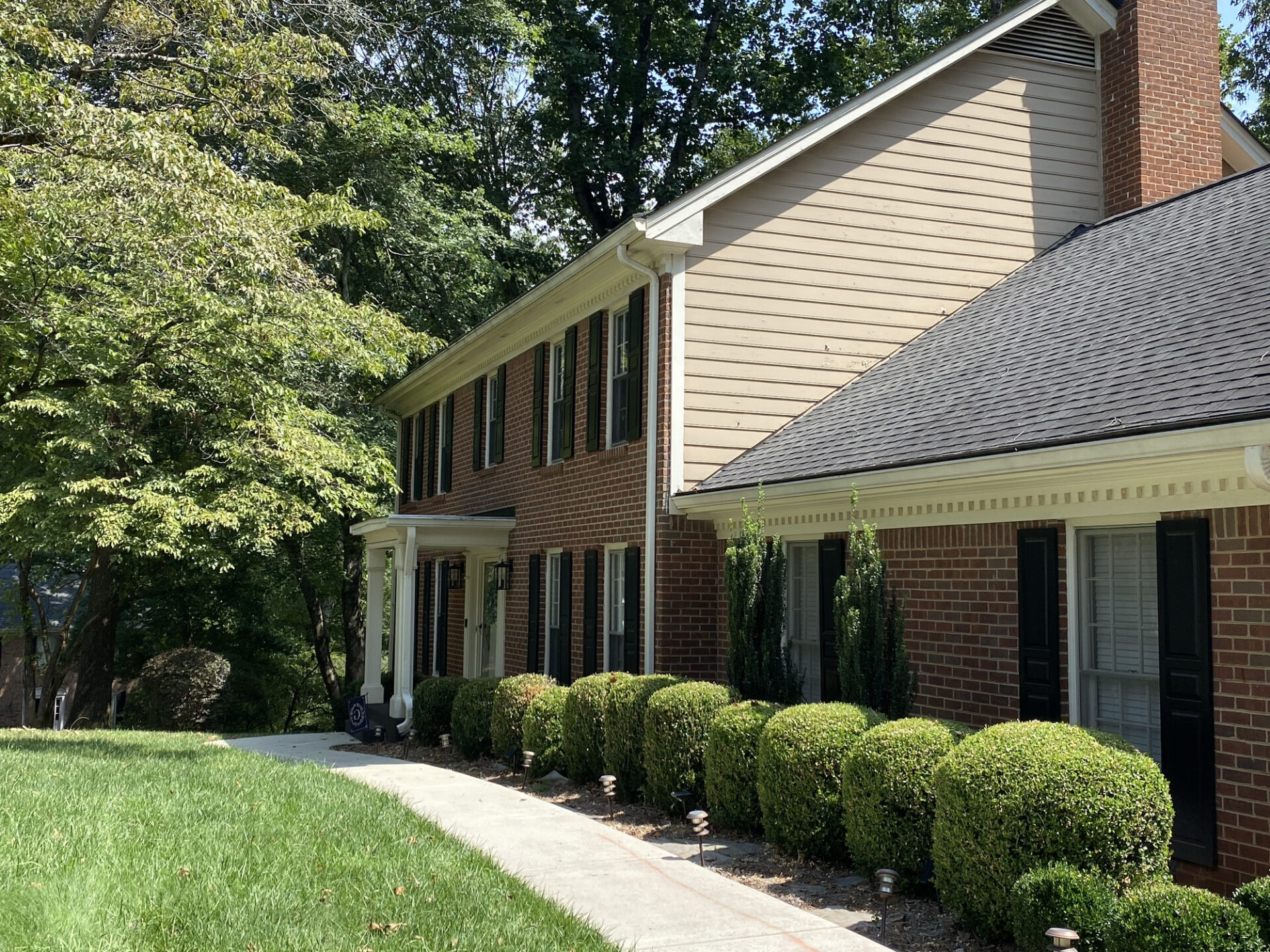
Your roof collects a large amount of rainwater and sends it through a small number of downspouts. If those downspouts empty too close to the house or into a low area of the yard, you may end up with serious drainage trouble fast.
This is one of the most overlooked causes of Atlanta yard drainage problems. Even if the lawn looks like the issue, the source often starts at the roof. A single storm can send a large volume of water into one spot.
If downspouts drain near the foundation or into low areas, the ground becomes overwhelmed quickly. This issue is worse when combined with clay soil or compacted areas.
What To Do
Start by checking where your downspouts end. Extending discharge 6 to 10 feet away from the foundation is often the fastest first step. It will not solve every problem, but it can reduce excess water enough to reveal whether a larger yard drainage issue is also present.
4. Construction Or Renovation Changed Your Natural Drainage Patterns
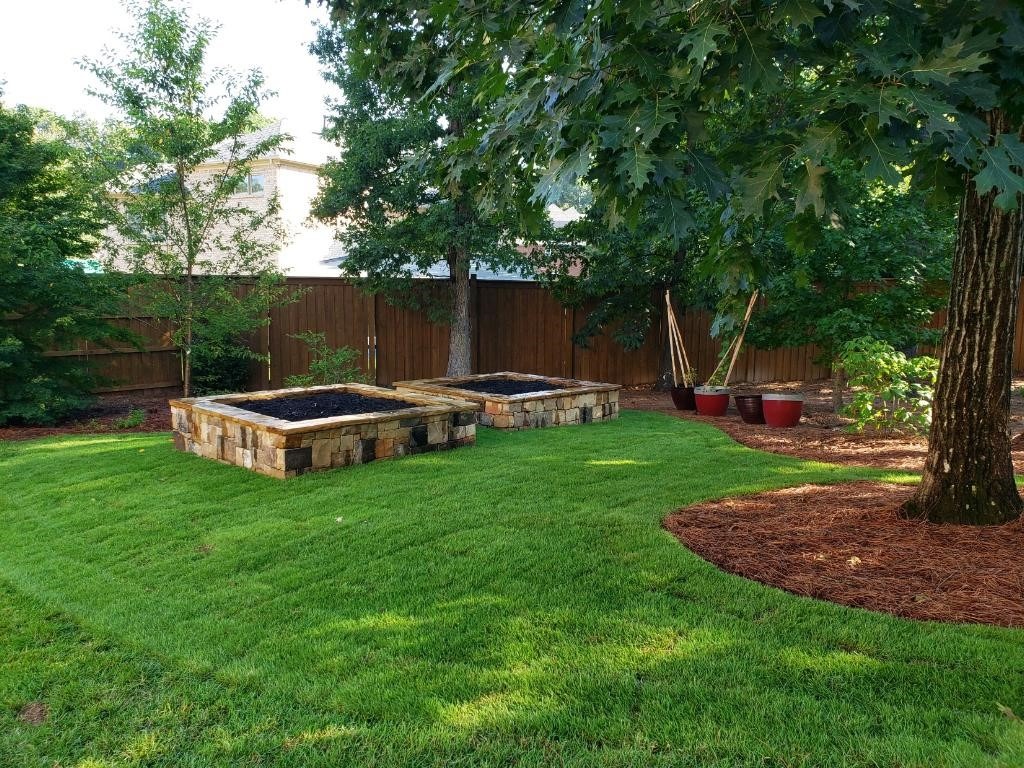
Drainage patterns often change after a renovation, addition, or landscape update. A new patio, driveway, retaining wall, or walkway can redirect runoff across the property. Even if the project looks clean and well built, water may now be moving in a way it did not before.
This is a common cause of Atlanta yard drainage issues in areas like Tucker and Dunwoody, where older homes are being updated. Hard surfaces do not absorb water – they redirect it, often toward the lawn or foundation.
You may see water pooling near pavers, running off driveways, or collecting where new structures meet the yard. While the problem shows up in the backyard, the source often starts elsewhere.
Consistent care also plays a role in how your yard handles water over time. Routine upkeep through a structured Landscape Property Maintenance plan can help identify early grading shifts, pooling areas, or runoff issues before they become larger drainage problems.
What To Do
Look at what changed before the issue started. A catch basin or channel drain may help manage runoff along hard surfaces. For more complex situations, it is best to assess the full water flow pattern before deciding on a solution.
5. Tree Roots Have Displaced Your Soil And Pipes
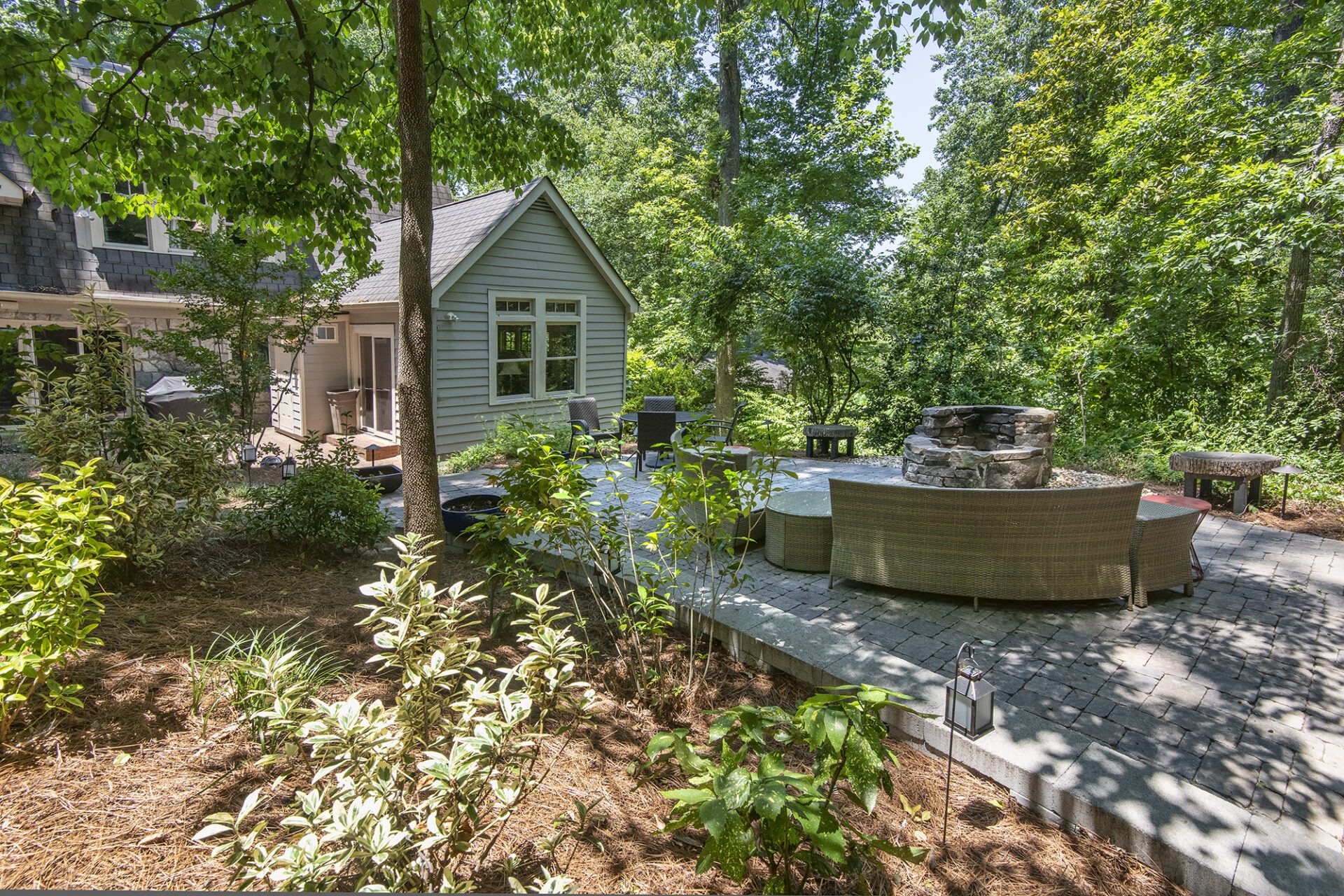
Atlanta’s mature tree canopy adds beauty and shade, but it can also create major drainage complications. Large roots shift the soil, raise sections of ground, and create irregular channels that move water in unpredictable ways. They can also enter old drain lines and reduce their function.
Tree roots can quietly disrupt Atlanta yard drainage by shifting soil and creating uneven paths for water. After rain, water often follows these changes and collects in unexpected areas, especially in mature neighborhoods like Druid Hills and parts of Marietta.
Roots can also block or damage older drainage pipes, preventing water from moving out of the yard. This can lead to wet patches that change location over time as roots grow and rainfall patterns vary.
What To Do
Before starting any drainage work, it helps to identify major root areas. In many cases, the best approach is to work around root systems rather than through them, allowing water to flow properly while protecting the tree.
6. Your Side Yard Is Acting As A Funnel
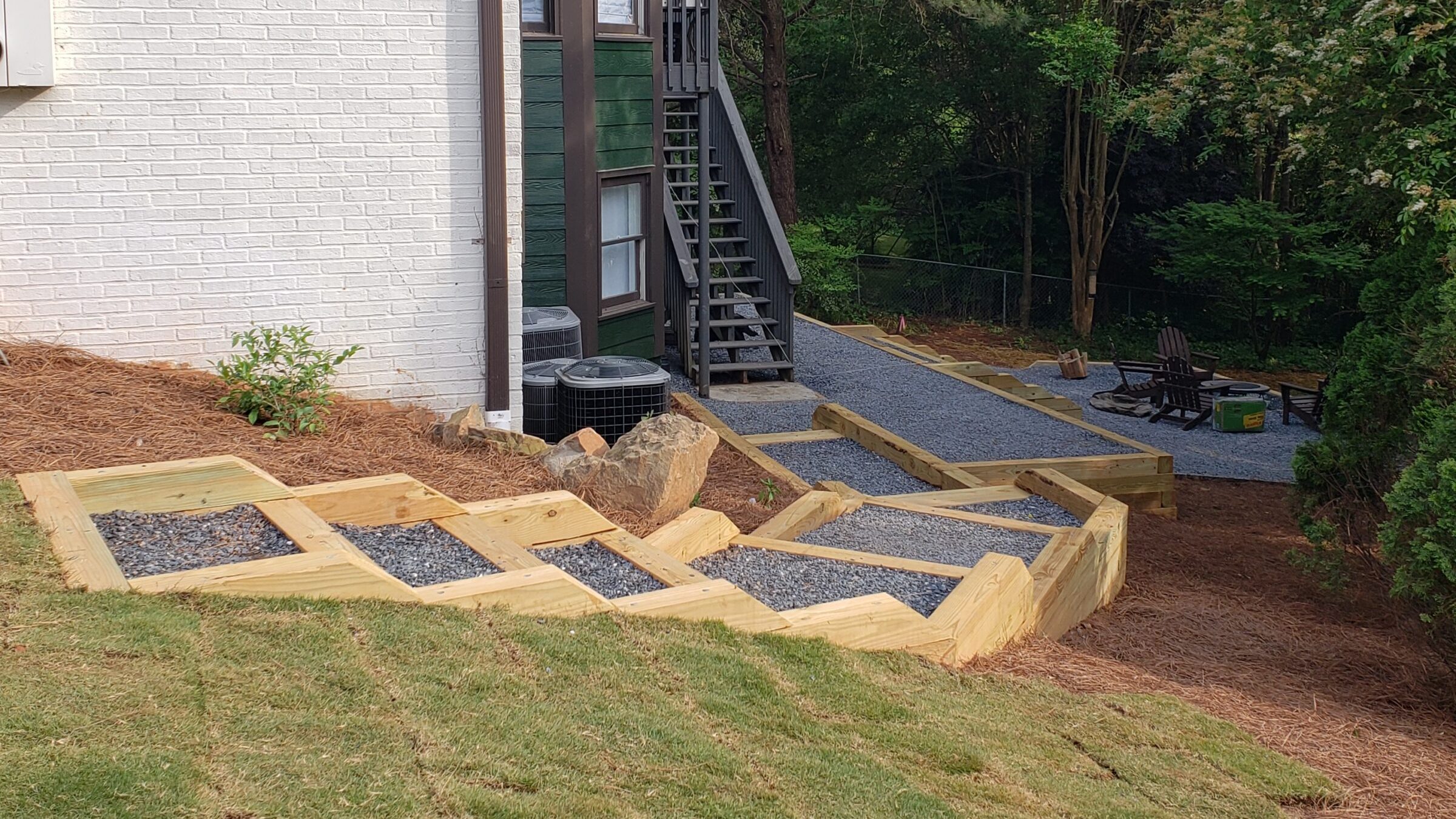
A side yard may seem like a small part of your property, but it can create a big drainage issue. When two homes sit close together, runoff from both roofs and both lots can move into that narrow space. Instead of spreading out, the water gets concentrated and pushed toward the backyard.
This is a common reason homeowners need side yard drainage solutions. In many Atlanta subdivisions, water collects in these narrow spaces with nowhere to go, leading to muddy ground and poor grass.
While the puddling often appears in the backyard, the side yard is usually the source, funnelling water and keeping the rear lawn wet long after rainfall.
What To Do
A linear channel drain or French drain along the side yard can often help move water to a proper outlet. When yard drainage issues begin in these narrow spaces, solving the side passage often improves the whole property.
7. Your Soil Is Compacted From Foot Traffic Or Heavy Equipment
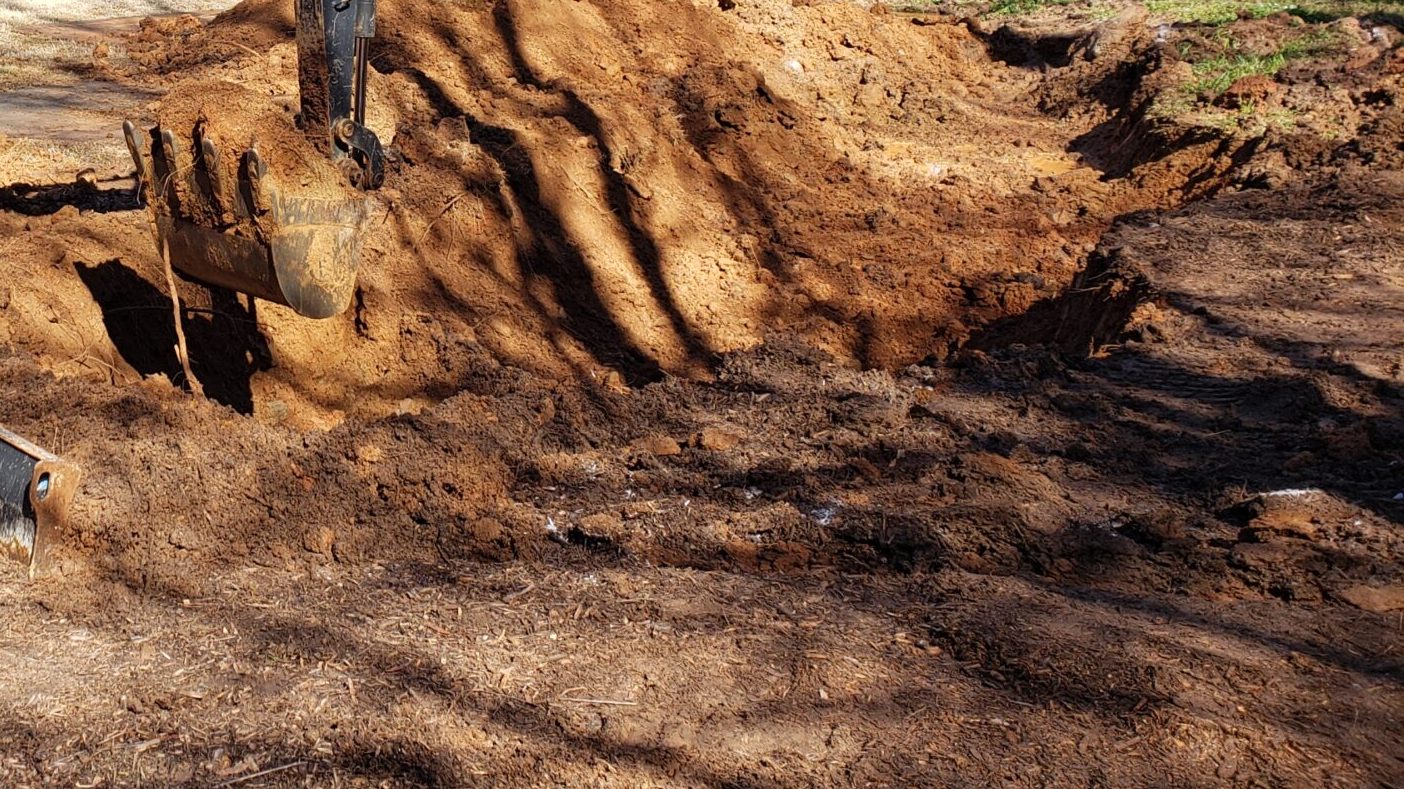
Compacted soil does not absorb water well. Years of foot traffic, lawn equipment, construction vehicles, and service work can press the surface tight and reduce the space water needs to move through the ground.
This type of drainage issue is common in high-traffic areas like around play sets, fire pits, gates, and walkways. These spots often lose grass first and begin holding water more easily, even after light rain.
Compacted soil also makes existing problems worse. When combined with clay soil or poor grading, it limits absorption and leads many homeowners to seek back yard drainage solutions.
What To Do
Deep core aeration can help relieve moderate compaction. Topdressing with a compost and sand mix may also improve surface structure. If the wet area remains after that, your Atlanta yard drainage problem likely involves a larger structural issue as well.
Is More Than One Of These Affecting Your Yard?
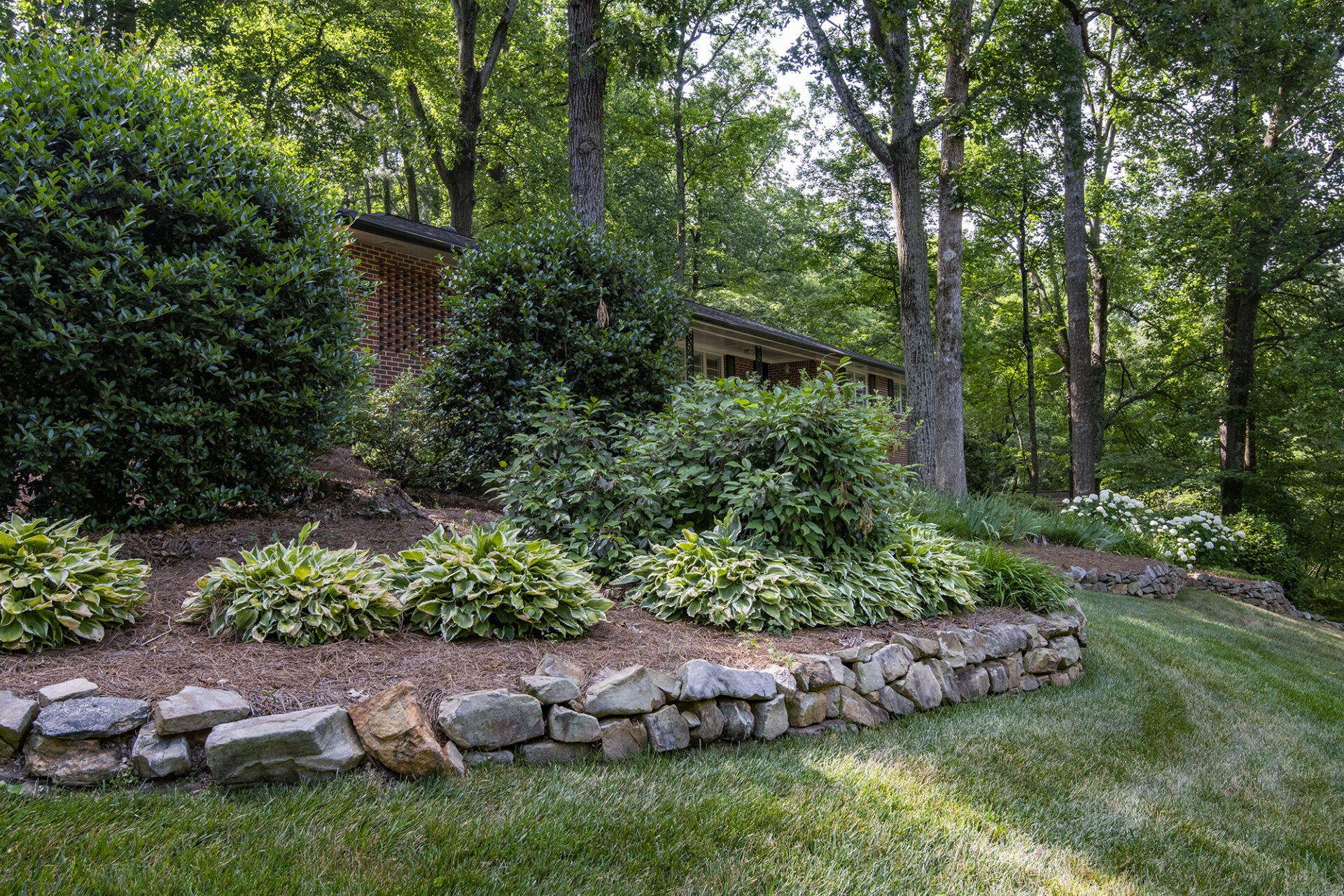
In many homes, the problem is not just one thing. Clay soil, poor grading, roof runoff, side-yard flow, and compaction often work together. That is why one quick fix does not always solve the issue for long. Most chronic yard drainage problems have two or three causes at the same time.
The best next step is to look at how water moves across the entire property, not just where it pools. For a full breakdown of the options available, from French drains to dry creek beds, read the complete Atlanta’s Yard Drainage Solutions guide.
Not sure which of these is causing your drainage problem? Falling Leaves offers on-site assessments for homeowners across Greater Atlanta. You get a clear evaluation, practical next steps, and a team that values honest communication and follow-through. Request a Consultation.
Summary
Atlanta yard drainage problems are usually caused by clay-heavy soil, poor grading, downspout discharge, construction changes, tree roots, side-yard runoff, or compacted ground. If your yard stays wet after rain, the issue is often structural. The right fix starts with identifying why water is collecting and where it is supposed to go.
Tags: