
How to Fix Drainage Problems on a Sloped Yard in Atlanta

Sloped properties in Atlanta can look appealing, but heavy rain often brings drainage challenges. You may notice soil washing away, water rushing downhill, or moisture collecting near your foundation. This is common in areas like Druid Hills, Roswell, Alpharetta, and Johns Creek due to natural elevation changes.
Many homeowners try quick fixes, but the problem often gets worse, leading to unusable yards. Effective drainage solutions for sloped yard conditions start with proper observation. This guide will help you assess your yard and choose the right approach.
Before You Start: Understand What “Sloped Yard Drainage” Actually Means
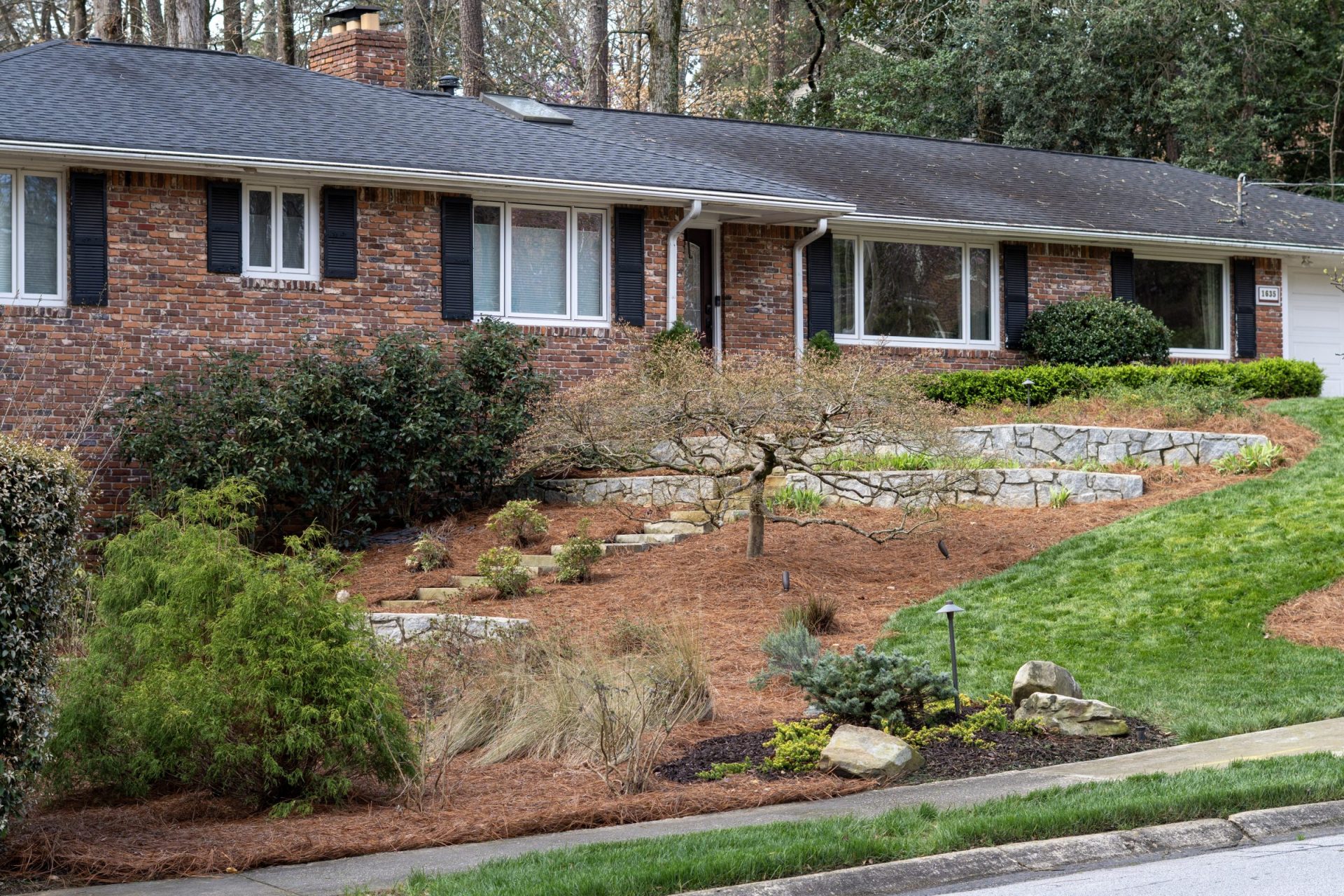
When dealing with drainage solutions for sloped yard conditions, it is important to understand the two main issues: erosion and runoff accumulation.
Erosion occurs when water moves quickly and carries soil, mulch, or plants downhill. You may see bare patches, shifting soil, or exposed roots. This is common in landscaping for sloped yard Georgia properties with frequent rainfall.
Runoff accumulation happens when water collects at the bottom of the slope, often near your home or fence. This can lead to soggy areas or damage over time.
Some yards have both problems. Soil may wash down from above while water pools below, requiring a mix of yard drainage solutions.
In Georgia, directing water onto a neighboring property can create liability issues. The goal is to manage water within your yard or direct it to a proper outlet like a street or drain.
Step 1 – Observe Your Yard During And After Rain
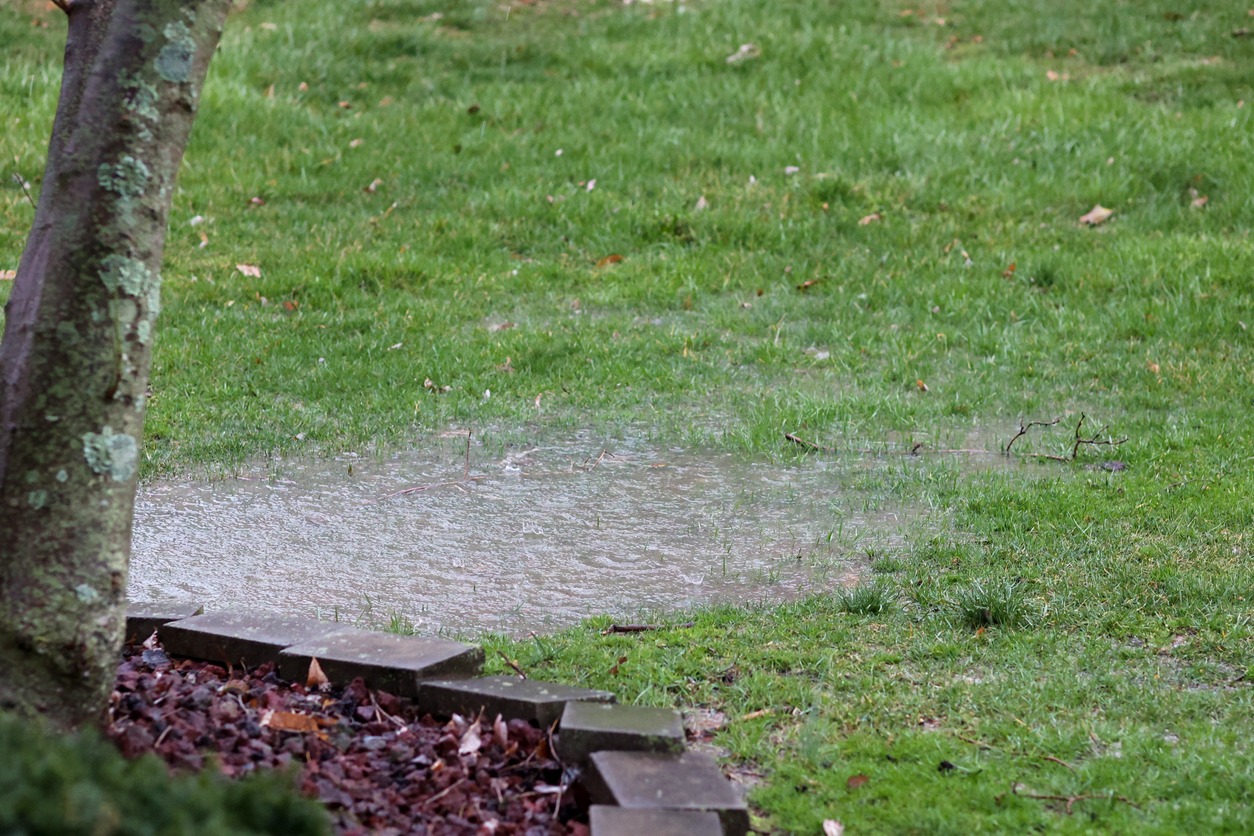
Before choosing any drainage solutions for sloped yard areas, take time to watch what happens during rain. This step is often missed but provides valuable insight.
Go outside during steady rainfall and observe your yard. Notice where water appears first, how quickly it moves, and where it collects.
Here are specific things to watch for:
- Small channels forming in the soil, often called rills
- Areas where mulch disappears after each storm
- Bare patches where soil has been washed away
- Water flowing along fences or pathways
- Spots where water seems to slow down or pool
After the rain, check how long water stays. If it drains within 24 hours, it is usually manageable. If it lasts more than 48 hours, it often signals a deeper issue that needs structural drainage solutions.
Take photos and short videos. This helps you track changes and gives you clear reference points. It also helps when speaking with a professional.
In areas like Roswell or Alpharetta, where slopes are common, this step is even more important. It helps you understand your yard and avoid guesswork.
It also makes discussions easier if you speak with a contractor about landscaping drainage concerns, since you can show exactly what is happening.
Step 2 – Identify Whether Your Problem Is Erosion, Pooling, Or Both
Once you have observed your yard, the next step is to clearly define the issue. Not all drainage solutions for sloped yard challenges are the same, so identifying the type of problem helps guide your decision.
Signs of erosion include:
- Soil washing downhill
- Mulch shifting after rain
- Exposed roots or rocks
- Channels carved into the slope
- Soil collecting at the base
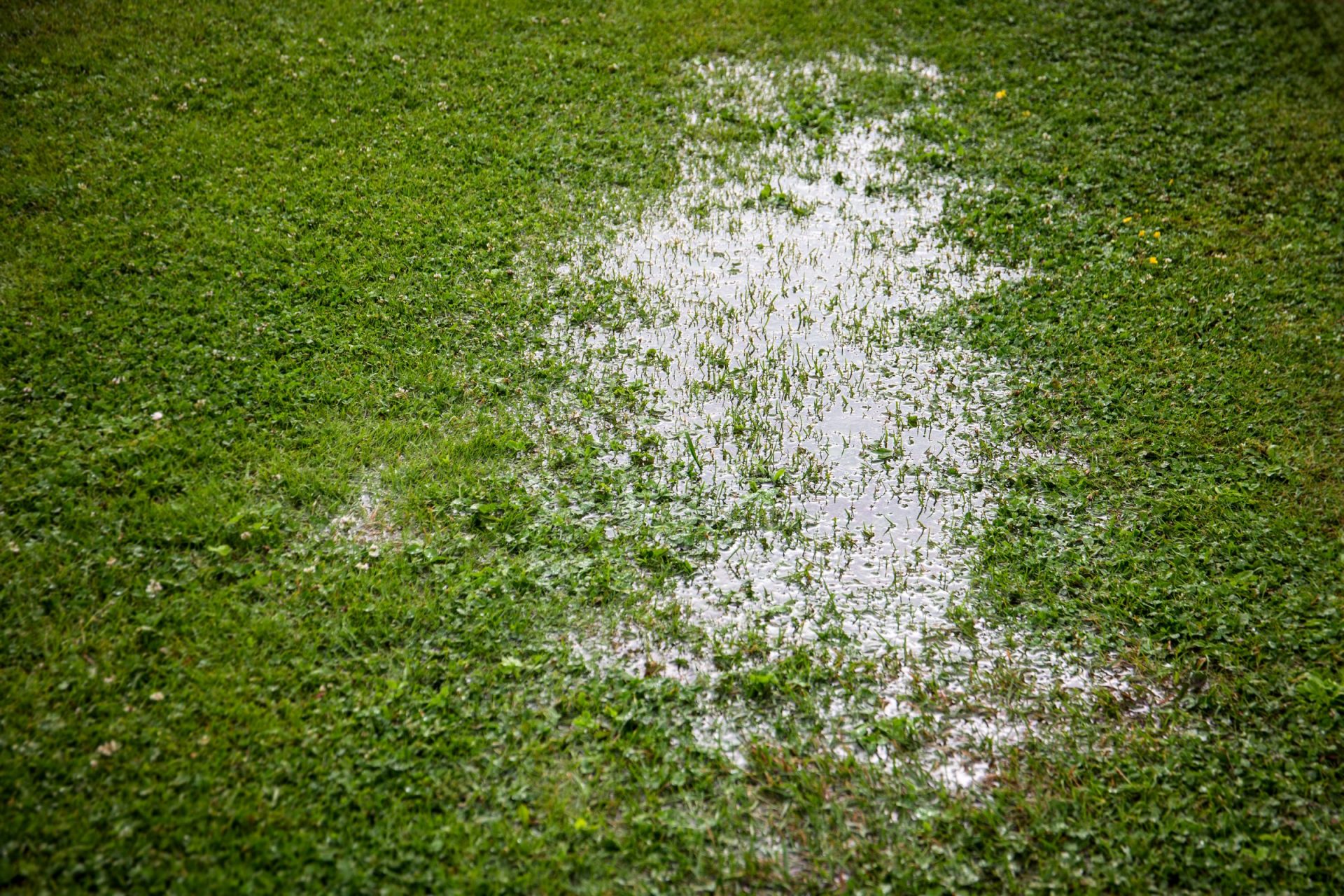
Signs of pooling include:
- Standing water that remains after rain
- Soft or soggy lawn areas
- Moss or algae growth
- Grass struggling to survive in wet spots
Many Atlanta properties show both patterns. Erosion often happens at the top of the slope, while pooling forms at the bottom. This is common in sloped yard drainage with noticeable grade changes.
Understanding the difference is important. Erosion control solutions slow water and keep soil in place. Pooling solutions move water away from structures.
If your property has a narrow runoff path between homes, side yard drainage solutions may also be needed to manage water flow effectively.
Step 3 – Choose The Right Solution For Your Slope Type
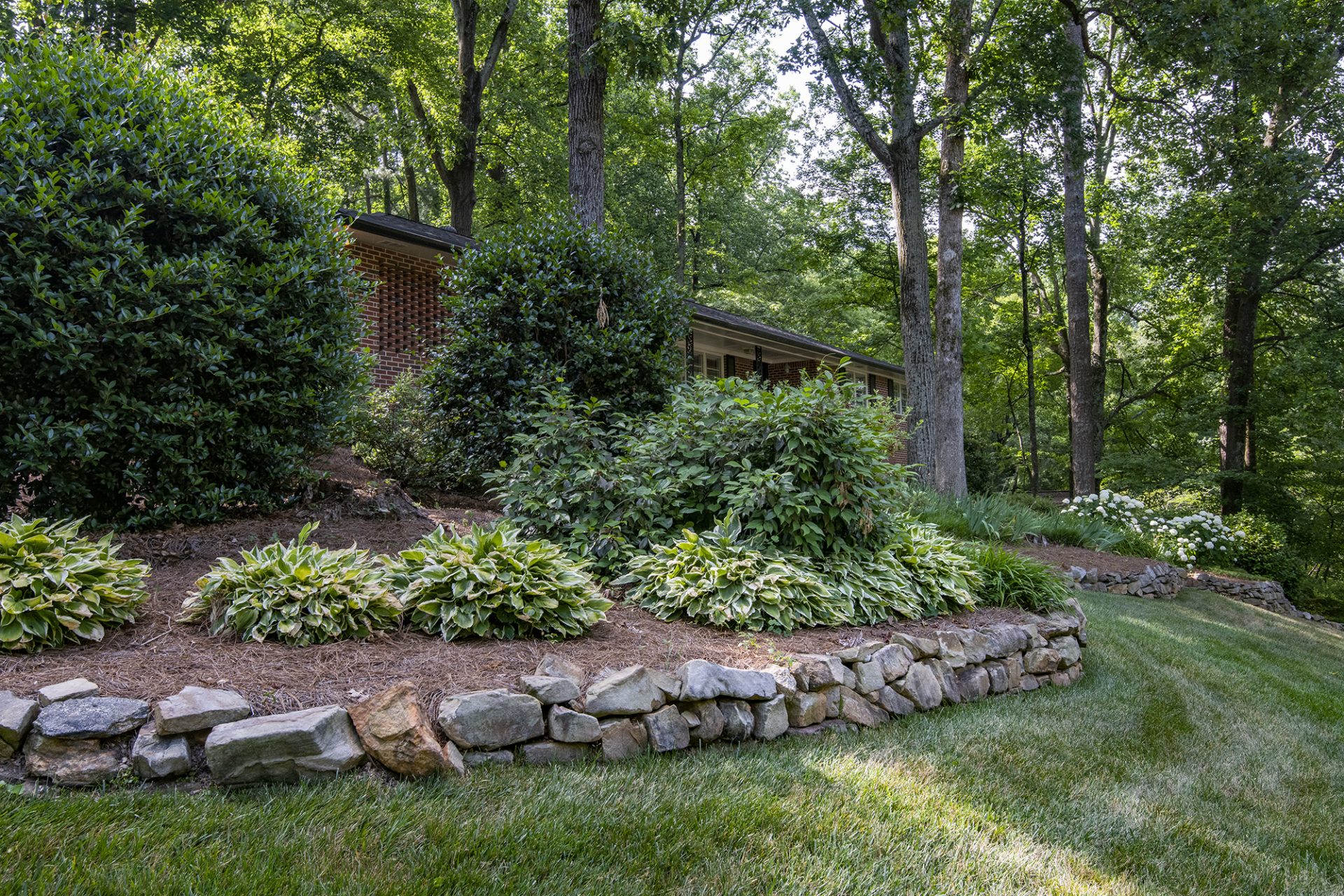
Now that you understand your yard, you can explore the most suitable drainage solutions for sloped yard conditions. For a broader overview, you can also review the Atlanta Yard Drainage Solutions Guide to compare different approaches.
For Moderate Slopes With Pooling At The Base – Regrade And French Drain
If your yard has a moderate slope and water collects at the bottom, regrading with a French drain is often effective.
Regrading adjusts the surface so water flows away from your home toward a safe outlet. A French drain works below ground, using a perforated pipe and gravel to move water away.
Together, these methods provide reliable drainage solutions for many properties.
This approach works well when:
- The slope is moderate
- There is minimal erosion
- You have a clear outlet location
If you want more details, see our latest blog, Atlanta Yard Drainage: Your Questions Answered on French drain costs and installation.
For Steep Slopes With Erosion – Retaining Wall With Drainage
Steep slopes often need structural support. A retaining wall can create level sections, slowing water flow and reducing soil movement.
Retaining wall drainage systems must include proper drainage behind the wall, such as gravel backfill, weep holes, or pipes. Without this, pressure builds and can cause the wall to fail.
In DeKalb and Gwinnett counties, walls over four feet usually require permits. Always confirm before starting work.
This solution works best when:
- The slope is steep
- Erosion is severe
- You want to create usable space
For Wooded Or Naturalistic Yards – Dry Creek Bed
A dry creek bed offers a more natural approach. It uses stones, gravel, and boulders to guide water through the yard while blending into the landscape.
This works well in neighborhoods like Tucker, Decatur, and Druid Hills, where natural features are common. A dry creek bed installation can also include native plants such as:
- River oats (Chasmanthium latifolium)
- Virginia sweetspire (Itea virginica)
- Buttonbush (Cephalanthus occidentalis)
- Native ferns
These plants help slow water, stabilize soil, and support local ecosystems.
Dry creek beds are ideal when your yard already has a natural drainage path or when you want a feature that manages water without looking engineered.
Step 4 – Address Immediate Erosion While Planning The Permanent Fix

While you plan long-term drainage solutions for sloped yard areas, it is important to control active erosion right away. Soil loss can happen quickly, especially during heavy rain.
You can take several temporary steps:
- Install erosion control fabric such as jute or coir matting
- Secure the fabric with landscape staples
- Add 3 to 4 inches of mulch to exposed areas
- Use shredded hardwood or pine straw instead of floating materials
- Plant fast-growing groundcovers
Suitable plants for Atlanta include:
- Liriope (Liriope muscari)
- Creeping juniper (Juniperus horizontalis)
- Asian jasmine (Trachelospermum asiaticum)
- Native sedges (Carex species)
These steps help hold soil in place and reduce damage, but they are not permanent yard drainage solutions. They act as temporary support while you plan a long-term fix.
If you are dealing with side drainage solutions or tight spaces, these measures can help limit damage while you assess better options.
Step 5 – Get A Professional Assessment Before Any Major Work
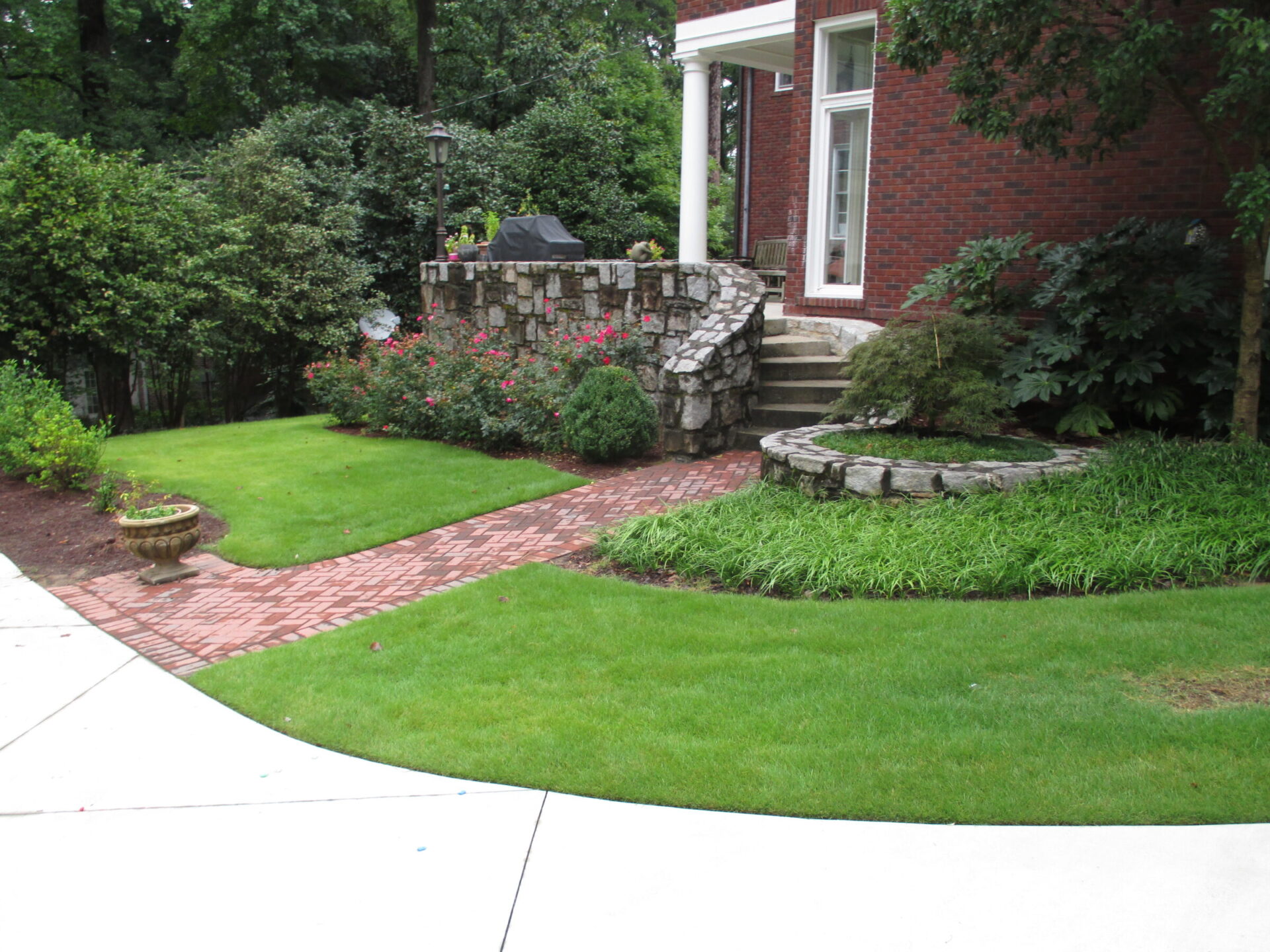
For larger projects, a professional assessment is an important final step. Effective drainage solutions for sloped yard conditions often involve grading, excavation, or structural work, which requires careful planning.
A thorough assessment should include:
- Reviewing how water moves through your yard
- Measuring slope and elevation changes
- Identifying safe drainage outlets
- Evaluating soil conditions
- Checking for underground utilities
You should also ask clear questions:
- Where will the water be directed?
- Are permits required?
- What will the yard look like after the work is complete?
For a broader overview, visit the Atlanta Yard Drainage Solutions Guide.
Working with a team that understands local conditions, helps ensure the plan fits your property. A strong approach focuses on long-term performance, not short-term fixes.
Moving Forward With Confidence

Fixing drainage issues on a slope takes time and planning. When you start with observation, you avoid guesswork and choose solutions that fit your yard.
Falling Leaves Landscape Professionals has years of experience working in Atlanta communities, including Dunwoody. That local knowledge helps guide practical, reliable solutions.
If you are dealing with sloped yard drainage challenges, understanding your yard first will help protect your landscape and home. Ready to get an honest assessment? Request A Consultation.
Summary
If you are searching for drainage solutions for sloped yard issues, the key is to observe how water behaves, identify whether you have erosion or pooling, and choose a solution that fits your slope. By combining careful assessment with the right approach, you can manage water effectively and protect your property.
Tags: